 Sumas Roofing
 Roofing and Exteriors for Custer Homes
Custer sits in the northwest corner of Whatcom County, close enough to the water and open farmland that homes here take weather from more than one direction. You get the marine air pushing in off the Strait, the wind that comes with it, and long stretches of gray, wet months that don't let up until well into spring. Add in the moss season that most of Whatcom County deals with, and roofs and siding out here are working harder than the manufacturer's brochure usually accounts for. Sumas Roofing Co has been working roofs, siding, windows, and decks throughout this part of the county, and Custer's mix of older farmhouses, newer developments, and everything in between means we've seen most of what this climate can do to a house.
This page is about what that climate actually does to a home in Custer, and how we approach roofing, siding, window, and deck work to hold up against it — not a generic pitch, but a straight look at the trade-offs involved in exterior work out here.
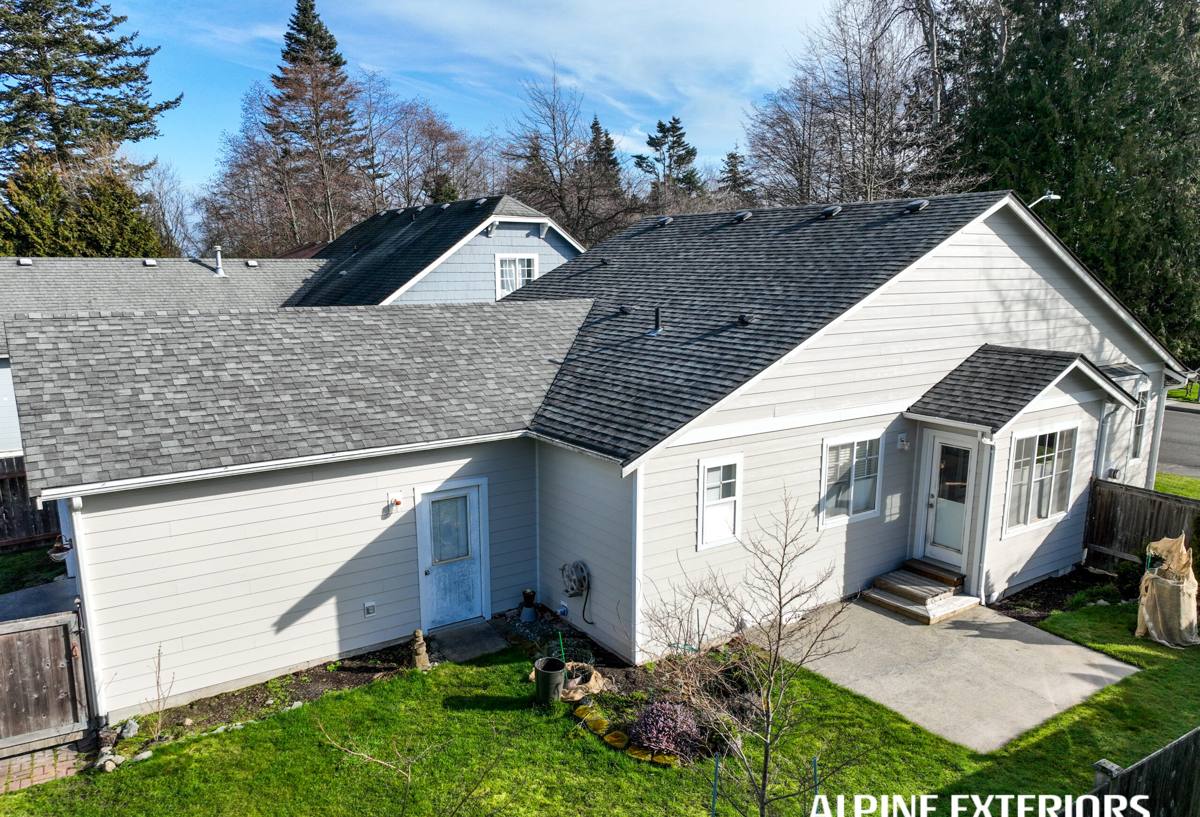
What the Local Climate Does to a Roof
Salt Air and Metal Fatigue
Homes closer to the water pick up salt-laden air that accelerates corrosion on anything metal — flashing, fasteners, gutter hardware, and exposed nail heads. It's a slow process, but over 15-20 years it's the difference between flashing that's still doing its job and flashing that's rusted through at the seams. This is one of the reasons we pay close attention to fastener and flashing material selection on homes in this area rather than defaulting to whatever's cheapest.
Driving Rain and Wind-Driven Water
Rain that falls straight down is a lot easier on a roof than rain that's being pushed sideways by wind off open fields. Wind-driven rain finds every gap in flashing, every under-lapped shingle course, and every spot where sealant has started to fail. In Custer, storms often come with real wind behind them, which means water gets forced upward and sideways under roofing materials in ways that a calm-weather install might not anticipate. Proper underlayment coverage and correctly lapped flashing matter more here than in drier, calmer climates.
Moss, Algae, and a Long Wet Season
Whatcom County's moss season is long — shaded, north-facing slopes and anything under tree cover can stay damp for months at a time. Moss doesn't just look bad; it holds moisture against the roofing material, works its way under shingle tabs and shakes, and can lift edges enough to let water in underneath. Left unaddressed for years, moss growth shortens the usable life of almost any roofing material.
Roofing Options and How They Hold Up Locally
There's no single "best" roofing material — it depends on the home, the budget, and how much maintenance the homeowner wants to take on. Here's how the common options perform under Custer's specific conditions.
| Material | Typical Lifespan Here | Local Considerations |
|---|---|---|
| Asphalt Composition Shingle | 20-30 years | Good value, wide style range; needs regular moss and debris management on shaded roof planes |
| Metal (standing seam or panel) | 40-60+ years | Sheds moss and water well; fastener and coating quality matter more near salt air exposure |
| Cedar Shake | 20-30 years with upkeep | Traditional look; higher maintenance burden in a wet climate since shakes hold moisture longer than manufactured materials |
| Synthetic/Composite Shingle | 30-50 years | Resists moisture absorption well; a solid option where low-maintenance performance matters |
We don't push one material on every roof. A steep, heavily shaded roof plane with a lot of tree cover is a different conversation than an open, exposed roof catching full wind and rain. Part of our estimate process is walking the property and talking through which material actually fits the situation in front of us.
Siding That Handles Wind-Driven Moisture
Siding takes a similar beating to roofing out here — wind-driven rain gets forced against wall surfaces, and any gap in flashing around windows, doors, or trim becomes an entry point. We install and repair a range of siding materials, including fiber cement, engineered wood, and vinyl, and we pay particular attention to the water-management details that don't show up in a finished photo: house wrap continuity, flashing at penetrations, and proper caulking at transitions. Those details matter more in Custer's climate than the siding brand itself.
Why We're Selective About Certain Siding Products
Some siding materials are more sensitive to installation quality than others, particularly in wetter climates. Products that rely heavily on perfect field-sealed joints, or that have less forgiving moisture behavior if water does get behind them, carry more long-term risk in a place like Custer where wind-driven rain is a regular occurrence. That's a maintenance and moisture-management trade-off, not a knock on any manufacturer — it's why we talk through those trade-offs honestly with homeowners rather than just installing whatever's requested without context.
Windows: Sealing Out Wind and Moisture
Older windows in this area often show their age through drafts, fogging between panes, and soft or rotting trim where water has been getting in around the frame for years. Window replacement in a climate like Custer's is as much about the installation — proper flashing, sealing, and integration with the surrounding siding or trim — as it is about the window unit itself. A high-quality window installed with poor flashing will still leak; a mid-grade window installed correctly with proper water management will often outperform it. We treat the installation detail work as the priority, then talk through window options and energy performance based on the home and budget.
Decks: Built for Wet-Dry Cycling
Decks in Custer go through a lot of wet-dry cycling over the course of a year, which is hard on fasteners, ledger connections, and any wood that isn't properly sealed or spaced for drainage. We build and repair decks with attention to the structural connections that tend to fail first in this climate — ledger flashing, joist hangers, and proper gapping between boards so water doesn't sit and pool. Whether it's a wood deck or a composite material, the framing and water-management details underneath matter as much as what you see on the surface.
Signs a Custer Home Needs Exterior Attention
- Moss or algae buildup on north-facing or shaded roof slopes
- Granule loss showing up in gutters (a sign asphalt shingles are wearing thin)
- Soft spots, discoloration, or bubbling on siding, especially near window and door trim
- Drafts, fogging, or difficulty operating older windows
- Rust staining below metal flashing or fasteners
- Soft or spongy deck boards, or visible gaps forming at ledger connections
- Water stains on interior ceilings, which often point to a roof or flashing issue upstream
Maintenance That Actually Extends Lifespan Here
A lot of roof and siding failure in this climate isn't a material defect — it's deferred maintenance catching up with a home. A few habits go a long way in a place like Custer:
- Clear moss and debris from roof valleys and shaded slopes before it builds up over multiple seasons
- Keep gutters clear so water isn't backing up under roof edges during heavy rain
- Check caulking and sealant around windows, doors, and siding transitions every couple of years
- Trim back tree limbs that keep roof sections shaded and damp longer than the rest of the roof
- Have flashing and fastener condition checked periodically, particularly on homes closer to open water or exposed fields
None of this requires a major project every year — it's mostly about catching small issues (a lifted shingle tab, a gap in caulking, a clogged gutter section) before they turn into water intrusion.
Why a Local Crew Matters for Custer Properties
A crew that works this specific stretch of Whatcom County day to day understands the difference between a roof that's exposed to open wind off the fields and one that's tucked under tree cover collecting moss year-round. That's not something you get from a national franchise working off a generic checklist. We know which materials tend to underperform here, which installation details matter most given the wind and rain patterns, and how to prioritize repairs when a homeowner is dealing with multiple issues at once. Being local also means we're not disappearing after the install — if something needs a follow-up visit or a warranty check, we're a short drive away, not a call center.
How We Approach an Estimate
Every property is different, so we start with an on-site look at the roof, siding, windows, or deck in question rather than quoting off a phone description. That walk-through lets us spot things a homeowner might not notice — early moss growth, minor flashing issues, trim that's starting to soften — and factor them into an honest recommendation. We'll explain what's actually needed now, what can reasonably wait, and what the material and labor trade-offs look like for your specific situation, without pushing an upsell that doesn't fit the home or the budget.
If you're noticing moss buildup, a slow leak, drafty windows, or a deck that's starting to feel soft underfoot, it's worth getting a second set of eyes on it before it turns into a bigger repair. Reach out for a free, no-pressure estimate — use the form below and we'll take a look at what your Custer home actually needs.