 Sumas Roofing
 Exterior Contractors Serving Acme, Washington
Acme sits in the rural stretch of Whatcom County near Sumas, tucked against the timbered slopes that catch weather rolling in off the Pacific before it ever reaches the valley floor. Homes out here deal with a different set of pressures than houses closer to town: more tree cover, more standing shade, more moisture that lingers instead of drying off. If you own a home in this area, you've probably already noticed how fast moss creeps back onto a roof, or how a siding seam that looked fine in July starts showing water staining by January.
We work on roofing, siding, windows, and decks for homeowners throughout the Sumas area, including Acme. This page walks through what the local climate actually does to a house over time, what our services look like in practice, and what to think about before you commit to a project.
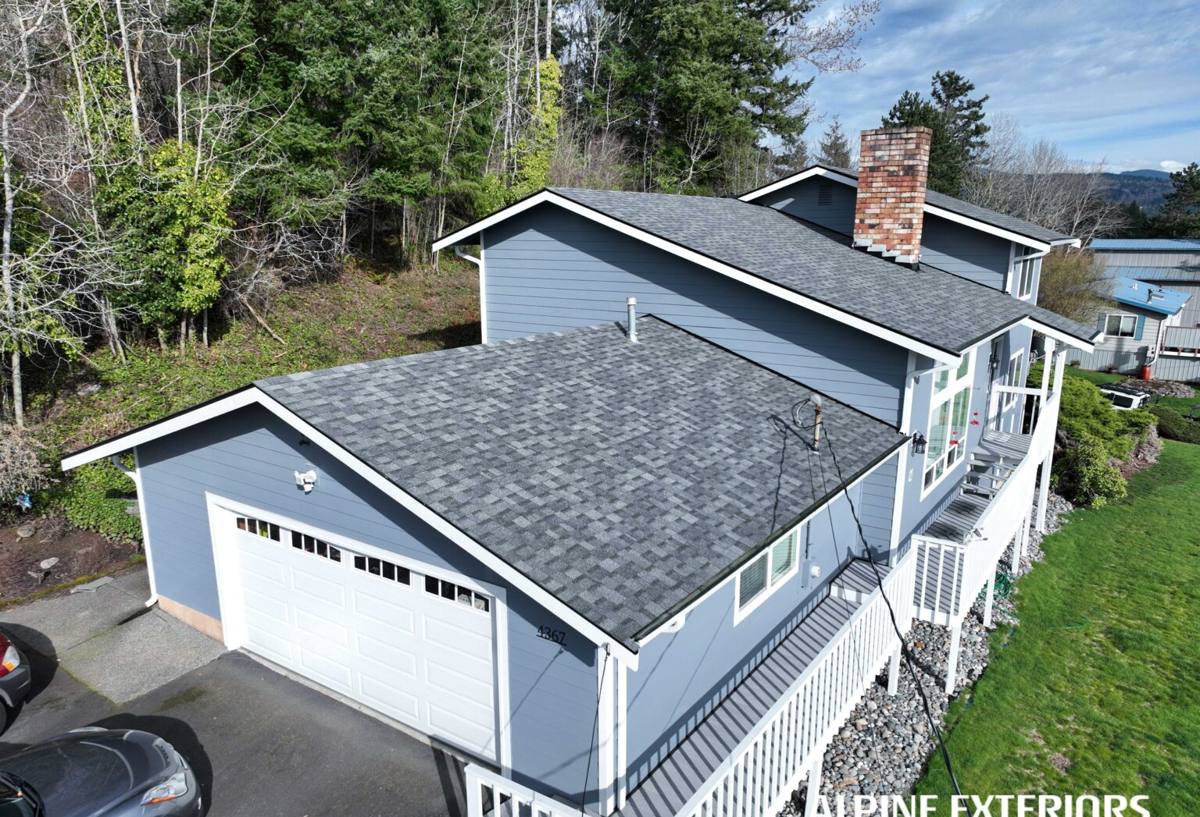
What the Local Climate Does to a House
Whatcom County's weather pattern is defined by long stretches of damp, salt-laced air moving inland, driving rain that comes in sideways more often than straight down, and a moss season that can run most of the year in shaded spots. None of this is dramatic on any single day — it's the accumulation over years that causes problems.
Moss and Organic Buildup
Wooded lots like the ones common around Acme hold shade and moisture longer than open ground. That's ideal for moss, algae, and lichen to take hold on roofing material, especially on north-facing slopes and anywhere debris collects near valleys or behind chimneys. Moss doesn't just look bad — it holds water against the roofing surface, works into shingle laps, and can lift edges enough for wind-driven rain to get underneath.
Wind-Driven Rain
Rain that comes in at an angle behaves differently than rain falling straight down. It gets pushed up under shingle tabs, into siding laps, and around window flashing that would otherwise shed water fine in a calmer storm. This is why flashing detail and proper overlap matter more here than in drier climates — a shortcut that's invisible for years can fail exactly when a storm pushes water where it isn't supposed to go.
Freeze and Thaw Swings
Acme's elevation and distance from the water moderates temperatures somewhat, but the region still gets cold snaps that freeze whatever moisture has already worked its way into a roof deck, siding seam, or deck board. Repeated freeze-thaw cycling is what turns a small crack into a real leak path over a few seasons.
Roofing Services
Roofing is usually the most weather-exposed system on the house, and it's where the moss-and-moisture cycle described above does the most damage if it's ignored.
Roof Replacement
When a roof is past the point where repairs make sense, we replace it with attention to the details that matter most in this climate: proper underlayment, correctly lapped flashing at valleys and penetrations, and ventilation that lets the attic dry out instead of trapping moisture against the roof deck from underneath. A roof that's installed correctly for wet-climate conditions will outlast one that was installed to a dry-climate standard, even using identical shingles.
Roof Repair and Maintenance
Not every roof problem means a full tear-off. Localized shingle damage, moss removal, flashing repair around chimneys and vents, and gutter integration issues are common repair calls in this area, especially on homes with heavy tree cover. Catching these early is almost always cheaper than waiting for a leak to show up inside the house.
Siding Built for Damp Conditions
Siding takes a steady beating from the same driving rain and standing moisture that affects roofs, but it also has to deal with splashback, ground moisture, and shade-driven mold growth near the lower courses of a wall. Material choice matters here more than most homeowners expect.
| Siding Type | Moisture Behavior | Maintenance Level |
|---|---|---|
| Fiber cement | Doesn't absorb water like wood; holds paint well over time | Low — periodic caulking and repainting |
| Vinyl | Sheds water but can trap moisture behind it if installed poorly | Low — occasional cleaning |
| Wood (cedar, etc.) | Attractive but absorbs moisture and is more vulnerable to rot and moss in shaded areas | High — regular sealing and inspection |
| Engineered wood | Better moisture resistance than solid wood but installation quality is critical | Moderate |
We install and repair siding with a strong preference for materials that hold up to sustained moisture exposure with minimal upkeep. That's a professional judgment about long-term performance and maintenance burden for this climate — not a knock on any particular product line. Whatever material a homeowner chooses, the flashing, house wrap, and seam detailing underneath matter as much as the visible surface.
Windows That Handle Moisture and Temperature Swings
Older or poorly installed windows are one of the most common sources of hidden water intrusion in homes throughout the Sumas area. Wind-driven rain finds gaps in failed caulking or worn weatherstripping, and condensation between panes is usually a sign that a seal has already broken down. We replace and install windows with attention to flashing integration with the surrounding siding or trim, since a window installed without proper flashing will leak eventually regardless of how good the window itself is. Well-sealed, properly flashed windows also cut down on the drafts and energy loss that come with the area's cold snaps.
Decks Built to Handle Wet-Weather Wear
Decks in wooded, shaded settings like much of Acme deal with the same moss and moisture issues as roofs, plus standing water on horizontal surfaces and ground-level splashback. Board spacing, proper ledger flashing where the deck meets the house, and material choice all affect how long a deck lasts before boards start cupping, splintering, or growing slick moss patches that become a safety issue. We build and repair decks with drainage and airflow underneath as a priority, not an afterthought — a deck that can't dry out between rain events will fail faster no matter what it's built from.
Why a Local Crew Matters
A crew that works this specific stretch of Whatcom County regularly develops a feel for which details actually matter here — where moss tends to build up first, how much overlap flashing needs in wind-driven rain, which materials genuinely hold up under the shade and moisture common around Acme versus which ones just look good on a spec sheet. That's different from general contracting experience anywhere else. It also means we're reachable for warranty follow-up or a maintenance question years after the original job, not a crew that came through once from out of the area.
Maintenance Checklist for Acme Homeowners
A little seasonal attention goes a long way toward avoiding expensive repairs later. Homeowners in this area should keep an eye on:
- Moss and debris buildup on the roof, especially on shaded, north-facing slopes
- Gutters and downspouts clogged with needles and leaf litter, which back water up under roofing and siding
- Caulking and sealant around windows and doors, which dries out and cracks faster in freeze-thaw conditions
- Soft spots, staining, or cupping on deck boards, particularly near the house ledger
- Siding seams and trim joints for gaps that have opened up since the last dry season
- Attic ventilation, since trapped moisture from below causes as much roof damage as rain from above
Planning a Project: What Affects the Cost
Every home and project is different, but a few factors consistently move the price on roofing, siding, window, and deck work in this area.
| Factor | Why It Matters |
|---|---|
| Roof or wall complexity | More valleys, dormers, and penetrations mean more flashing detail and labor time |
| Tree cover and access | Heavy shade sites often need more moss remediation and can complicate equipment access |
| Material choice | Low-maintenance materials cost more upfront but less over the life of the home |
| Existing damage | Hidden rot or water damage found once old material comes off adds scope |
| Permit and code requirements | Whatcom County permitting adds time and fees that vary by project type |
We give straightforward estimates that spell out material and labor separately, so homeowners can see exactly where the cost comes from rather than getting a single lump number.
Get a Free Estimate
If you're dealing with moss buildup, a slow leak, tired siding, drafty windows, or a deck that's seen better days, we're glad to take a look and give you an honest read on what's going on and what your options are. There's no pressure and no obligation — just a straightforward assessment from a crew that knows this area's weather firsthand. Use the form below to request a free estimate.