 Sumas Roofing
 Roofing in Kendall: Built for This Corner of Whatcom County
Kendall sits in one of the wetter, greener stretches of Whatcom County, tucked against the foothills with the Nooksack River valley funneling marine air and rain up from the Sound. That combination means homes here deal with a longer wet season than a lot of homeowners realize, and roofs, siding, and decks all take the hit differently depending on how they were built and maintained. Sumas Roofing Co works this area regularly, and we've seen firsthand what holds up out here and what doesn't.
This page is about roofing specifically, but it's worth saying up front: roofs in Kendall rarely fail in isolation. Water that gets past a roof deck often shows up later as rot in fascia, siding, or deck framing. We treat the whole exterior as one connected system because that's how water actually moves through a house.
What the Local Climate Does to a Roof
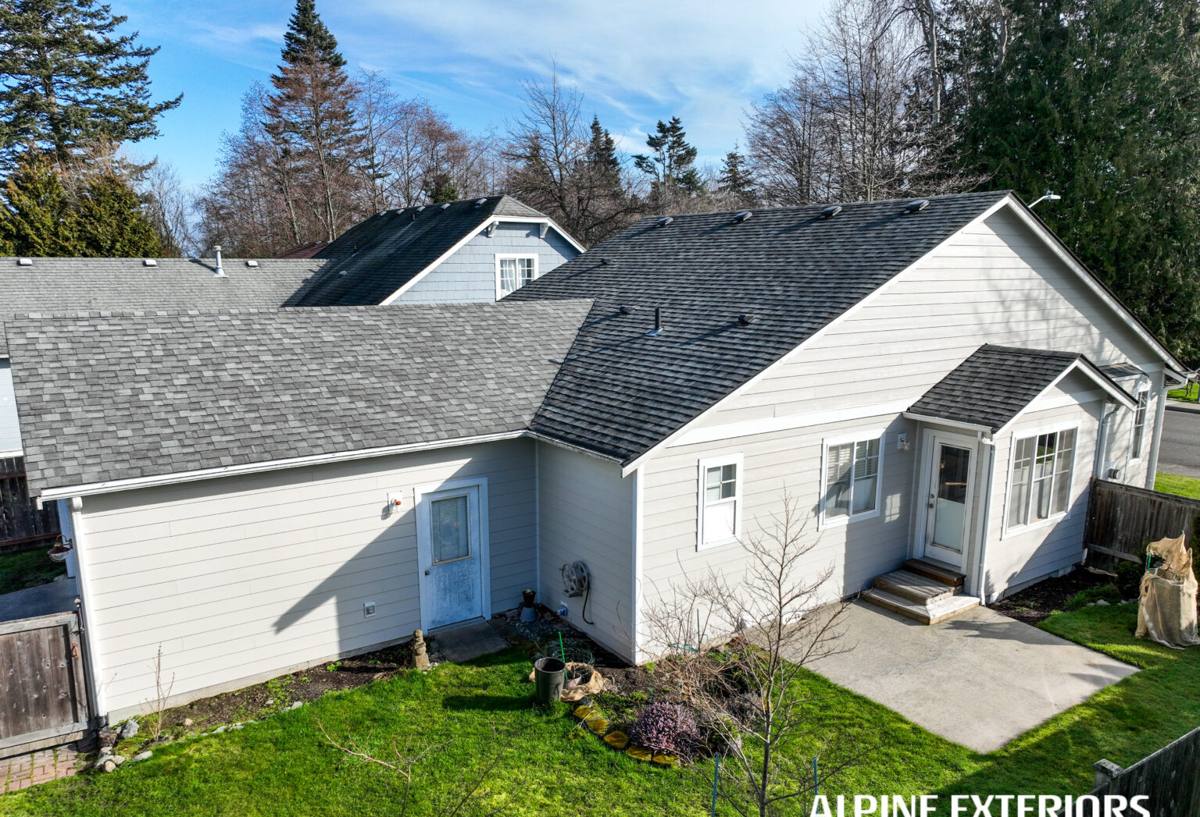
Three things drive most of the roofing calls we get from Kendall and the surrounding area: sustained rain, humid air that never fully dries out the shaded parts of a roof, and moss that gets a foothold anywhere sun exposure is limited.
Driving Rain and Wind-Driven Moisture
Rain that comes in sideways during a storm doesn't behave like rain falling straight down. It gets pushed up under shingle tabs, around flashing, and into any gap that a calmer climate roof could get away with. Underlayment quality and flashing detail matter more here than in drier regions, because the roof has to shed water that's actively being pushed against it, not just water running downhill.
Moss and Prolonged Dampness
A long, mild wet season means moss has months to establish itself on any roof section that stays shaded or doesn't get much direct sun. Moss holds moisture against the roofing material, and over time that moisture works its way under shingle edges and into the wood below. Left alone, a moss problem on a roof isn't cosmetic — it's a slow moisture trap.
Freeze-Thaw Swings
Kendall gets colder snaps than the immediate coastline, and the freeze-thaw cycle that follows a cold night and a wet day is hard on any roofing material that's already saturated. Ice expansion in trapped moisture is one of the more common reasons we find cracked or lifted shingles that otherwise look intact from the ground.
Roof Replacement
When a roof is past the point of targeted repair, replacement is the honest recommendation, and we'll tell you plainly when that's the case rather than patching something that's structurally done. A full replacement gives us the chance to correct the underlying issues that repairs can't fix: inadequate underlayment, poor ventilation, or flashing that was never installed correctly the first time.
What a Proper Install Includes Out Here
- Ice-and-water shield or comparable self-adhering membrane at eaves, valleys, and any low-slope transition
- Synthetic or heavy-felt underlayment sized for extended wet exposure, not just minimum code
- Metal flashing at all roof-to-wall, chimney, and skylight intersections — not caulk as a substitute
- Balanced intake and exhaust ventilation so the attic can actually dry between storms
- Drip edge on every eave and rake, which is a small detail that prevents a lot of fascia rot
Roof Repair
Not every problem calls for a new roof. Localized leaks, a section of lifted shingles after a windstorm, or flashing that's separated around a chimney are all repairable if they're caught before the water damage spreads. The key is an honest assessment — we tell you what's actually failing and what's still sound, rather than defaulting to a bigger job than the house needs.
Signs a Kendall Roof Needs Attention
- Dark streaking or green growth concentrated on the north-facing or shaded slopes
- Granules collecting in gutters or at downspout outlets
- Soft spots or discoloration on interior ceilings, especially near chimneys or skylights
- Daylight visible through the attic roof deck
- Shingles that look curled, cracked, or lifted at the edges
Moss and Debris Management
Given how much moss pressure roofs face in this area, we treat moss removal and prevention as routine maintenance rather than a one-time fix. Physical removal has to be done carefully — pressure washing a shingle roof is a good way to strip granules and shorten its life, so we use methods that clear growth without damaging the roofing surface. Zinc or copper control strips near the ridge are a reasonable long-term prevention step on roofs that hold shade for much of the day.
Gutter and valley debris matters just as much as moss. Needles and leaves that collect in valleys hold water against the roofing material long after a storm has passed, which is exactly the kind of prolonged dampness that accelerates wear. Clean valleys and functioning gutters are one of the cheapest ways to extend a roof's life in a wet climate.
Material Choices for This Climate
There's no single right roofing material for every Kendall home — it depends on the roof's pitch, sun exposure, budget, and how long the owner plans to stay in the house. Here's how the common options actually perform under sustained Whatcom County moisture.
| Material | Moisture Performance | Moss Resistance | Typical Lifespan |
|---|---|---|---|
| Asphalt composition shingle | Good with proper underlayment and ventilation | Moderate; needs periodic cleaning in shaded areas | 20-30 years |
| Metal (standing seam) | Excellent; sheds water fast, minimal surface for growth to grip | High | 40-60 years |
| Cedar shake | Requires diligent maintenance; retains moisture if not properly ventilated | Low without regular treatment | 20-30 years with upkeep |
| Synthetic/composite shingle | Good; consistent manufacturing tolerances help with wind and water resistance | Moderate to high depending on product | 30-50 years |
We install and service asphalt and metal roofing most often in this area because they balance upfront cost against the maintenance a homeowner is realistically willing to keep up with over decades of wet winters. Cedar shake can look great and perform well, but it demands a maintenance schedule that not every homeowner wants to commit to, and we're upfront about that trade-off before anyone signs a contract.
Why a Local Crew Matters for This Kind of Work
A roofing crew that mostly works drier regions of the state will size underlayment, flashing, and ventilation differently than a crew that works Whatcom County year-round. We're out in Kendall, Sumas, and the surrounding county often enough to know which roof orientations tend to hold moss, which older neighborhoods commonly have undersized attic ventilation, and how a given roof design has actually held up through a real wet season rather than a brochure's specifications.
That local pattern recognition shows up in small decisions — where we add extra ice-and-water membrane, how we detail a valley, whether we recommend metal on a low-slope section instead of shingles — and those small decisions are usually what separates a roof that lasts from one that leaks again in five years.
Beyond the Roof: Siding, Windows, and Decks
Roofing problems in this climate rarely stay contained to the roof. Fascia and soffit damage from a leaking roof edge often spreads into siding. Window flashing that's failed lets water track down inside a wall cavity. Decks exposed to the same driving rain and prolonged dampness need their own moisture management, particularly at ledger boards and any spot where the deck meets the house.
Sumas Roofing Co handles siding, windows, and decks alongside roofing because a single inspection can often catch a moisture problem before it becomes four separate repair calls. If we're on a Kendall roof and notice rot starting at a fascia-to-siding transition, we'll flag it rather than stay narrowly focused on shingles and let it get worse.
Maintenance That Actually Extends Roof Life Here
A realistic maintenance routine for this climate doesn't need to be complicated, but skipping it costs more in the long run than doing it.
- Clear gutters and valleys at least twice a year, more often under heavy tree cover
- Have moss growth addressed before it spreads across a full slope
- Check attic ventilation isn't blocked by insulation or storage
- Get flashing around chimneys, skylights, and roof-to-wall joints inspected every few years
- Address small leaks immediately rather than waiting for a bigger storm to expose them further
Get a Free Estimate
If you're dealing with moss buildup, a suspected leak, or you're just trying to figure out how much roof life you have left in a Kendall home, we're happy to take a look. There's no pressure and no obligation — just a straight assessment from a crew that works this climate regularly. Fill out the form below and we'll get in touch to schedule a free estimate.