 Sumas Roofing
 Roofing Built for Van Zandt's Weather, Not Just Any Weather
Van Zandt sits in a part of Whatcom County where the weather doesn't do anything in half measures. Winters bring long stretches of driving rain that comes in sideways more often than straight down, and the humid, shaded conditions that follow make this one of the more demanding stretches of Washington for a roof to hold up in year after year. Add in salt-laden air that moves through the region and a moss season that can run the better part of the year on north-facing slopes, and you've got a climate that rewards good materials and careful installation — and punishes shortcuts.
Sumas Roofing Co works this area because we live in it. We're not a crew that drives in from out of the county for a bid and disappears until the next storm season. We know which roof lines in and around Van Zandt tend to hold moisture longest, which siding details fail first when wind-driven rain gets behind them, and how the local permitting and inspection process actually works. That local knowledge shapes every estimate we write.
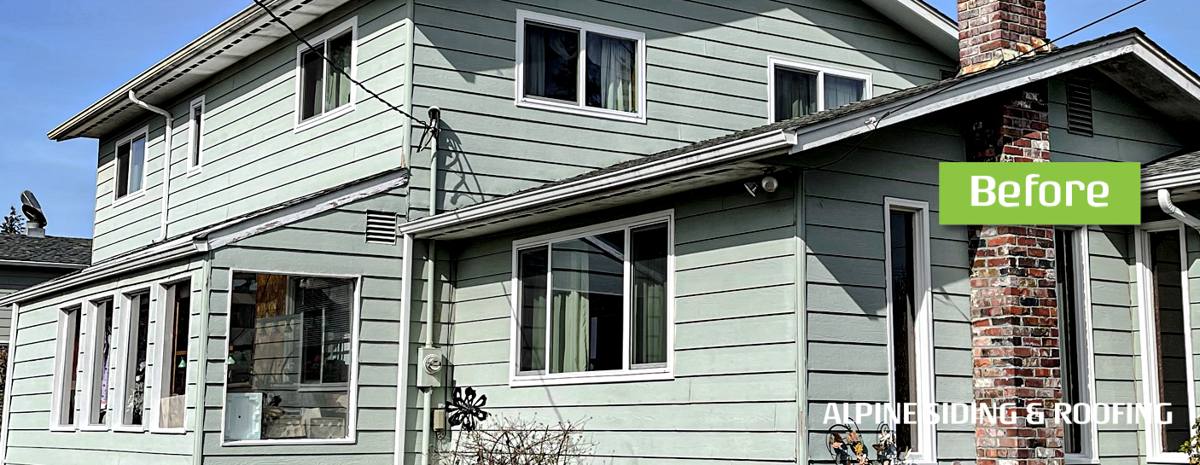
What Van Zandt Homes Are Up Against
Most of the damage we see on roofs and siding in this area isn't dramatic — it's slow. It's water finding its way under a lifted shingle tab after years of wind, or moss holding moisture against a roof deck until the wood underneath starts to soften. A few of the patterns we see repeatedly:
- Moss and algae growth on shaded or north-facing roof slopes, especially under tree cover, which retains moisture against shingles and shortens their service life.
- Wind-driven rain pushed under flashing, fascia, and siding laps during winter storms, rather than simple straight-down rainfall.
- Gutter and downspout overload during heavy rain events, which backs water up under roof edges and behind siding if systems aren't sized or maintained properly.
- Salt-influenced air that accelerates corrosion on exposed metal fasteners, flashing, and gutter hardware over time.
- Freeze-thaw cycling in colder snaps, which can crack aging or already-compromised roofing material.
None of these are dramatic failures on their own. But combined, and left unaddressed, they're exactly how a roof that should last 25-30 years starts needing full replacement at 15.
Roofing Services We Provide in Van Zandt
Roof Replacement
When a roof is past the point where repair makes sense — widespread granule loss, multiple leak points, or a deck that's showing soft spots — full replacement is the honest recommendation. We walk homeowners through material options, ventilation needs, and what the local climate actually demands from an underlayment and flashing standpoint, not just what looks good from the curb.
Roof Repair
Not every problem needs a new roof. Isolated leaks, damaged flashing around chimneys and vents, a handful of storm-damaged shingles — these are often repairable if caught before water has had time to work into the deck. We'll always tell you when repair is the right call instead of pushing a bigger job.
Moss Treatment and Roof Maintenance
Given how much of this region's roof damage traces back to moss and organic growth, we treat moss removal and prevention as part of routine roofing care, not an afterthought. That includes safe removal methods that don't strip granules, and guidance on zinc or copper strips where appropriate to slow regrowth on shaded slopes.
Gutter and Flashing Work
A roof is only as good as the water management around its edges. We inspect and repair flashing at valleys, chimneys, skylights, and wall intersections, and address gutter issues that contribute to water backing up under roofing material during heavy rain.
Beyond the Roof: Siding, Windows, and Decks
Roofs don't fail in isolation — the same wind-driven rain and moisture exposure that wears on a roof also works on siding, window seals, and exterior deck structures. Because we handle all four trades, we look at a home's exterior envelope as a whole system rather than treating the roof as separate from everything below it.
- Siding: repair and replacement for panels or lap siding compromised by trapped moisture, with attention to proper flashing and water-resistive barrier details at every seam.
- Windows: replacement of failed seals and aging units that let moisture and drafts into wall cavities, particularly around older flashing details common in this area's housing stock.
- Decks: repair and rebuilding of deck structures exposed to the same freeze-thaw and standing-moisture conditions that affect roofing, with an eye toward ledger board flashing — a common failure point in wet climates.
If you're only fixing the roof while ignoring a siding gap or a deck ledger that's been taking on water for years, you're treating one symptom of a whole-house moisture problem.
Choosing the Right Roofing Material for This Area
There's no single "best" roofing material — the right choice depends on budget, roof pitch, how much shade the roof gets, and how long you plan to stay in the home. Here's how the common options stack up for a climate like Van Zandt's:
| Material | Typical Lifespan | Moss/Moisture Resistance | Maintenance Needs |
|---|---|---|---|
| Asphalt Composition Shingle | 20-30 years | Moderate — needs periodic moss treatment on shaded slopes | Low to moderate; routine debris and moss checks |
| Metal (standing seam or panel) | 40-60+ years | High — sheds moisture and resists moss growth well | Low; occasional fastener and seam checks |
| Cedar Shake | 20-30 years with upkeep | Lower — natural wood retains moisture and is more moss-prone | Higher; regular treatment and inspection needed |
| Synthetic/Composite | 30-50 years | High — engineered to resist moisture absorption | Low |
We don't push one material on every job. A well-installed asphalt roof with proper ventilation and periodic moss maintenance can perform well here for decades. Metal and composite options cost more upfront but ask less of the homeowner over time in a climate this wet. We'll lay out the honest cost-versus-maintenance trade-off for your specific roof rather than steering you toward whatever's easiest for us to install.
Signs Your Roof Needs a Closer Look
Most roof problems in this area give some warning before they turn into interior damage. Worth a call if you're seeing:
- Dark streaking or thick moss growth on any part of the roof, especially shaded slopes
- Granules collecting in gutters or at downspout outlets
- Shingles that look curled, lifted, or cracked
- Water stains on interior ceilings, especially after a heavy rain event
- Daylight visible through the attic roof deck
- Sagging in any part of the roofline
- Rusted or lifted flashing around chimneys, vents, or skylights
Catching any of these early is almost always cheaper than waiting for a leak to show up inside the house.
Our Process
We keep the process straightforward: a real on-site inspection first, a written estimate that explains what we found and why we're recommending it, and clear communication about timeline and materials before any work starts. If a repair will genuinely solve the problem, we say so instead of defaulting to replacement. If your roof, siding, and decking all show signs of the same underlying moisture issue, we'll tell you that too, so you can decide what to prioritize and when.
A Seasonal Maintenance Checklist for Van Zandt Homeowners
A little routine attention goes a long way in this climate. We recommend homeowners keep an eye on:
- Gutters and downspouts cleared before the fall rains start
- Moss and debris cleared from shaded roof slopes annually
- Flashing around chimneys and vents checked for lifting or corrosion each year
- Attic checked for signs of moisture or daylight gaps at least once a year
- Deck ledger boards and siding flashing inspected for trapped moisture
- Any interior ceiling stains investigated immediately, not "watched for a while"
Why a Local Crew Makes a Difference
A roofing crew that only sees Whatcom County a few times a year doesn't have the same read on how a roof actually behaves through a full wet season here. We do this work in Sumas and the surrounding communities, including Van Zandt, year-round, which means we're the same crew that answers the phone if something needs a follow-up look after a storm — not a call center routing you to whoever's available next. That accountability matters more in a climate that tests roofs this consistently.
If you're noticing moss buildup, a slow leak, aging siding, or a deck that's starting to feel soft underfoot, we're glad to come take a look. We offer free, no-pressure estimates — no obligation, just an honest read on what your home actually needs. Use the form below to get in touch.