 Sumas Roofing
 Blaine's Coastal Climate and What It Does to Siding
Blaine sits right where Puget Sound weather meets the Canadian border, and that location comes with a specific set of problems for the outside of a house. Salt-laden air off the water works into seams and fastener heads over time. Driving rain, pushed sideways by wind off the Strait, finds every gap in a wall system that wasn't detailed to shed it. And Whatcom County's long, damp, mild winters give moss and algae months on end to establish themselves on anything that stays wet and shaded.
None of this is unique to Blaine, but the combination and duration of it is. A siding job that would hold up fine in a drier inland climate can fail here in half the time if it wasn't built with this exposure in mind. That's the lens we use on every Blaine estimate: not "what siding looks good," but "what siding and installation method will actually survive this particular stretch of coastline."
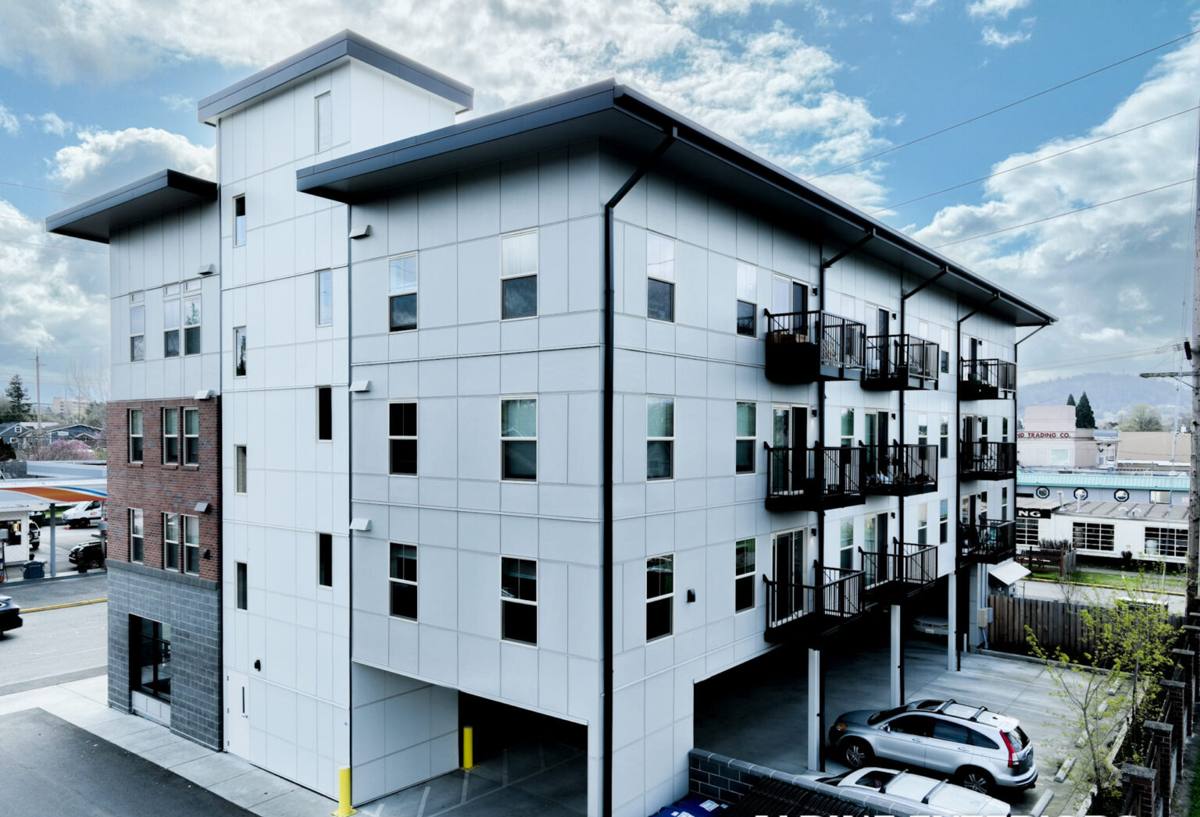
Signs Your Siding Is Losing the Battle
Before talking about installation, it helps to know what failure actually looks like on a Blaine house. Homeowners often notice the cosmetic issues first and miss the structural ones underneath.
- Persistent moss or dark streaking on north- and west-facing walls that comes back within weeks of cleaning
- Soft, spongy, or crumbling spots, especially near the bottom courses and around window and door trim
- Paint that's peeling or bubbling rather than just fading — often a sign moisture is trying to get out from behind the siding
- Visible warping, cupping, or gaps opening up between boards or panels
- Rusting fastener heads bleeding through the paint film
- A musty smell in interior rooms along exterior walls, which can point to moisture already past the siding
Any one of these is worth a look. Several together usually mean the siding, the water management behind it, or both, need to be addressed — not just patched.
What a Correct Siding Installation Involves Here
Siding is a system, not just a decorative skin. In a climate like Blaine's, the parts you don't see matter as much as the parts you do.
Drainage and the Rainscreen Gap
Even well-installed siding gets wet behind the face in a place that gets this much wind-driven rain. A drainage gap between the siding and the water-resistive barrier lets that moisture run down and out instead of sitting against the wall sheathing. Skipping this detail is one of the most common reasons siding rots from the inside out in coastal Whatcom County homes.
Flashing at Every Penetration
Windows, doors, hose bibs, vents, and deck ledgers are all places where water wants to get behind the siding. Correct flashing — installed in the right order, lapped the right direction — is what actually keeps a house dry, far more than the siding material choice itself. This is also the step that's easiest to shortcut and hardest for a homeowner to inspect after the fact.
Fastening for the Wind and the Material
Fastener type, length, and spacing all need to match the siding manufacturer's specifications for the exposure category the house is in. Under-driven or over-driven nails, wrong fastener alloys, or missing structural framing at fastening points are common causes of boards working loose in exposed coastal wind.
Caulking and Sealant, Used Correctly — Not as a Crutch
Sealant belongs at specific transitions, not smeared over every joint as a substitute for proper flashing and lap details. Over-reliance on caulk is a sign of a rushed job, and in a wet climate it fails faster than people expect, leaving the same gap it was meant to cover.
Why We Only Install James Hardie Fiber Cement
We made the decision to install James Hardie fiber cement siding exclusively, and Blaine's climate is a good example of why. Fiber cement doesn't absorb water the way wood-based products can, so it doesn't swell, cup, or feed rot the same way over a long wet season. It's also non-combustible, which matters as wildfire smoke and fire risk become a more regular part of Pacific Northwest summers.
ColorPlus Factory Finish
James Hardie's ColorPlus finish is baked on at the factory under controlled conditions, with a more durable bond than field-applied paint. In salt air and constant UV/moisture cycling, that finish holds color and resists the peeling and chalking that field-painted products are prone to over time.
HZ5 Climate-Engineered Formulation
Hardie makes region-specific formulations, and the HZ5 line is engineered for wetter, harsher climates like ours — built to resist moisture damage in areas that see prolonged rain and humidity. That's a meaningful difference from a generic, one-formulation siding product.
A Warranty Backed by the Manufacturer
Hardie's product warranty is transferable and backed by a large manufacturer, not just the installing contractor. For homeowners planning to stay in Blaine long-term or eventually sell, that's worth more than it sounds — it's one less thing a future buyer's inspector can flag.
Material Comparison for Blaine's Climate
| Material | Moisture Behavior | Maintenance in Coastal/Wet Climate | Typical Lifespan Here |
|---|---|---|---|
| James Hardie fiber cement | Does not absorb water like wood-based products; resists swelling and rot | Occasional washing to control moss/algae; factory finish reduces repainting | 30+ years with correct installation |
| Vinyl siding | Sheds water on the surface but seams and J-channels can trap moisture behind panels | Low, but prone to cracking/fading and can trap moisture issues unseen | Variable; shorter in high-wind coastal exposure |
| Wood-based composite (e.g., LP-type) or primed wood | More vulnerable to moisture intrusion at cut edges and fastener points | Higher — repainting, edge sealing, and monitoring for swelling | Shorter in sustained wet climates without diligent upkeep |
This isn't a claim that other products can't work anywhere — it's why, for the specific combination of salt air, driving rain, and moss season that Blaine deals with, fiber cement is the material we're willing to put our name behind.
Our Installation Process
- On-site assessment: We look at existing siding, sheathing condition, flashing details, and any moisture or rot already present before quoting anything.
- Tear-off and inspection: Old siding comes off and we check the sheathing and framing underneath for damage that needs repair before new siding goes on — this step catches problems a surface-level look would miss.
- Water-resistive barrier and drainage plane: A new weather barrier is installed with a proper drainage gap, sized for the wall assembly and exposure.
- Flashing at all penetrations: Windows, doors, and other openings are flashed and lapped correctly before siding installation begins.
- James Hardie siding installation to manufacturer spec: Fastener type, spacing, and clearances follow Hardie's published requirements for our exposure zone.
- Final detailing and cleanup: Trim, caulking at appropriate transitions only, and a walk-through so you understand what was done and why.
Cost Factors for a Blaine Siding Project
| Factor | Why It Affects Cost |
|---|---|
| Extent of hidden rot or sheathing damage | Damaged sheathing found during tear-off has to be replaced before new siding goes on |
| House size, stories, and access | More wall area and harder-to-reach elevations mean more labor and equipment |
| Siding profile and trim complexity | Lap siding, shingle-style panels, and detailed trim packages take different amounts of labor |
| Number of windows, doors, and penetrations | Each one needs individual flashing work, which adds time regardless of total wall area |
| Existing exterior condition | A well-maintained wall behind old siding costs less to prep than one with moisture damage |
We give homeowners a range based on what we can see up front, then confirm final numbers once tear-off shows what's actually underneath — no surprise change orders for things a careful inspection should have caught.
What to Check Before You Hire
- Do they carry current Washington contractor licensing and insurance, and will they show it without you having to ask twice?
- Do they explain drainage gaps and flashing details, or just talk about the siding brand and color?
- Are they specific about fastener type and spacing, or vague about "installing to code"?
- Do they have regular work in Blaine or similar Whatcom County coastal areas, not just inland jobs?
- Is the warranty explained clearly — what's covered by the manufacturer versus the installer?
Why a Crew That Already Works Blaine Matters
A contractor who regularly works Blaine and the surrounding Whatcom County coastline has already seen how houses here fail — where moss builds up fastest, which elevations take the worst of the wind-driven rain, and how quickly a skipped flashing detail turns into a rot problem in this specific climate. That's different from general siding experience. It shows up in the small decisions on your project: how the crew handles a tricky window flashing, where they add extra attention on a wind-exposed gable, and how they set expectations for moss and upkeep after the job is done.
If you're weighing a siding replacement or repair in Blaine, we're happy to take a look and walk you through what we'd actually do on your specific house. Reach out for a free, no-pressure estimate using the form below.