 Sumas Roofing
 Roofing Built for the Clearbrook, BC and Sumas Border Climate
Clearbrook sits just north of the Washington–British Columbia line, a few minutes from Sumas, and the two communities share the same weather system whether or not they share a mailing address. That means the same roof problems show up on both sides of the border: driving rain off the Fraser Valley, salt-laden air pushing in from the coast, and a moss season that can run eight months out of the year in shaded, north-facing yards. A roof replacement here isn't a generic job — it's a job for this specific stretch of the Pacific Northwest.
We work Clearbrook, BC and Sumas, WA as one service area because the roofs in both places fail for the same reasons: trapped moisture, undersized ventilation, and materials that were never rated for this much sustained wet weather. A correct replacement addresses all three, not just the shingles on top.
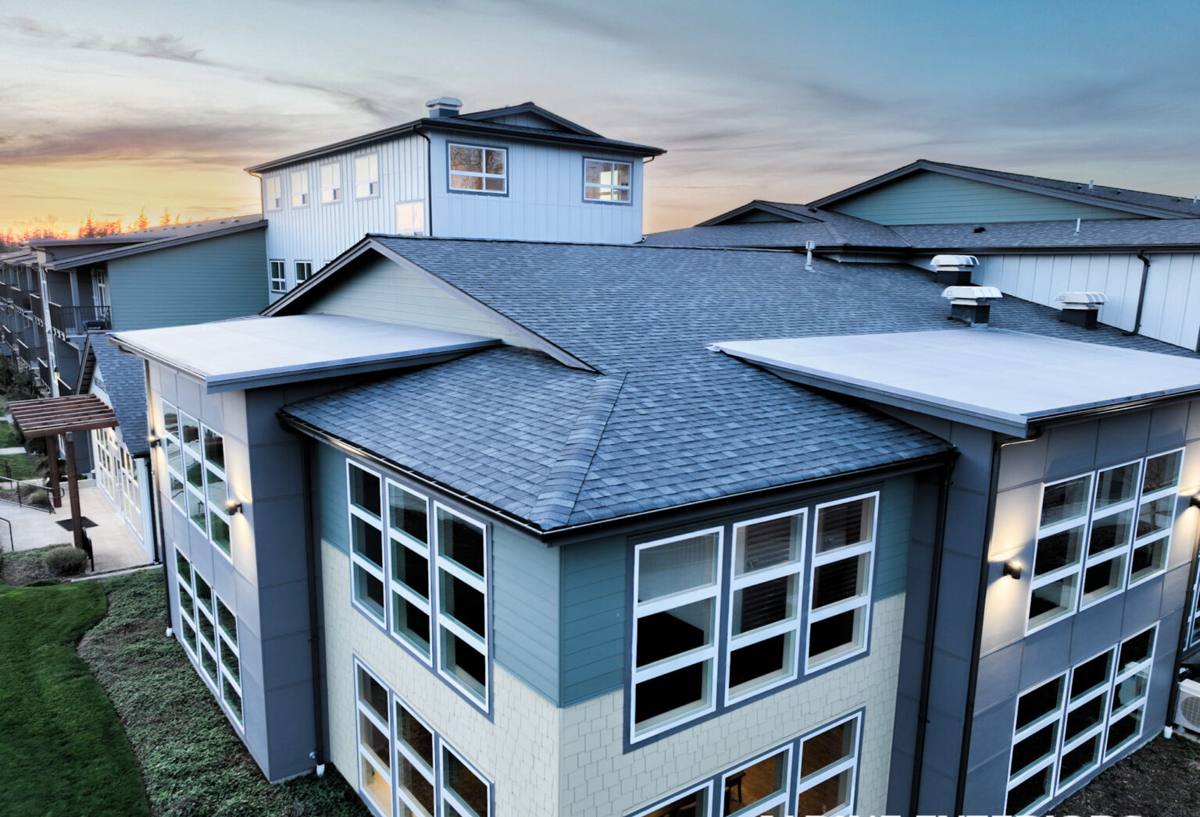
How This Climate Wears Down a Roof
Driving Rain and Wind-Driven Moisture
Rain here doesn't just fall straight down — Fraser Valley wind pushes it sideways during storms, which forces water up under shingle edges, around chimney flashing, and into anywhere the roof deck has a seam. Roofs built for drier climates often skip the underlayment and flashing detail this kind of weather requires, and it shows up as slow leaks years later, usually around penetrations rather than open field.
Salt Air and Metal Fatigue
Proximity to the coast means airborne salt reaches fasteners, flashing, and any exposed metal on the roof. Salt accelerates corrosion on lower-grade fasteners and unprotected metal edges. It's a slow process, but over 15-20 years it's a real factor in why flashing and nail heads fail before the shingles around them do.
Moss and Prolonged Dampness
Long, cool, wet stretches with limited direct sun — especially on north-facing slopes and under tree cover — create ideal conditions for moss and algae growth. Moss isn't just cosmetic. It holds moisture against the shingle surface, works its way under shingle tabs as it grows, and can lift edges enough to let water in. A roof that isn't detailed and maintained with this in mind will show moss years before it should.
Signs a Clearbrook or Sumas Roof Is Due for Replacement
- Granules collecting in gutters or at downspout outlets, especially after a windstorm
- Shingle edges curling, cupping, or lifting — a sign of age or trapped moisture underneath
- Moss growth that comes back within a season of cleaning, even after treatment
- Dark streaking or staining that doesn't wash off, often algae rather than dirt
- Soft spots or give underfoot on a roof walk, suggesting deck damage below the surface
- Daylight visible through the attic roof deck, or damp insulation near the ridge or eaves
- A roof approaching or past 20-25 years old, regardless of visible condition
Any one of these on its own might just mean a repair. Several together, or a roof at the end of its expected service life, usually means replacement is the more honest recommendation — patching an aging roof in this climate tends to buy a year or two at best.
What a Correct Roof Replacement Actually Involves
A roof replacement is more than swapping old shingles for new ones. In a climate this wet, the layers underneath the shingles matter as much as the shingles themselves.
Full Tear-Off, Not Overlay
We remove the existing roofing down to the deck rather than layering new shingles over old. Overlaying traps moisture that's already worked into the old roofing, hides deck damage, and voids most manufacturer warranties. It's a shortcut we don't take.
Deck Inspection and Repair
With the old roofing off, we inspect the deck for soft, delaminated, or water-damaged plywood or OSB and replace any sections that won't hold a fastener securely. Skipping this step is one of the most common reasons a "new" roof leaks within a few years.
Underlayment Suited to Wet Climates
Synthetic or ice-and-water-shield underlayment goes down next, with extra attention at eaves, valleys, and anywhere wind-driven rain is most likely to find a way in. This is the layer that does the real work if a shingle ever gets compromised.
Flashing at Every Penetration
Chimneys, vents, skylights, and roof-wall intersections are where most leaks actually start — not the open shingle field. Correctly formed and sealed flashing at each of these points is non-negotiable, and it's also the detail that gets rushed on jobs priced too low to do it right.
Attic Ventilation
Balanced intake and exhaust ventilation keeps the attic close to outdoor temperature and humidity, which reduces condensation on the underside of the deck and helps prevent ice damming in a cold snap. Poor ventilation shortens shingle life from underneath, regardless of how good the shingles themselves are.
Material Options for This Area
| Material | Typical Lifespan | How It Handles This Climate |
|---|---|---|
| Architectural (laminate) asphalt shingle | 25-30 years | Good balance of cost and durability; algae-resistant granule options help with the moss and streaking common here |
| 3-tab asphalt shingle | 15-20 years | Lower upfront cost but thinner profile handles wind-driven rain and moss pressure less well over time |
| Standing seam metal | 40-50+ years | Sheds rain and moss well due to smooth, steep profile; higher upfront cost, needs coastal-rated fasteners near salt air |
| Synthetic/composite shingle | 30-40 years | Resists moisture absorption well; a solid option where moss and rot are the main long-term concerns |
We don't push one material as universally "best" — the right choice depends on the roof's pitch, sun exposure, tree cover, and the homeowner's budget and time horizon. What we do insist on is algae-resistant shingle options for any low-slope, shaded, or heavily treed property, since standard shingles in those spots will streak and moss over noticeably faster.
What Drives Cost on a Replacement
| Factor | Why It Matters |
|---|---|
| Roof size and pitch | Steeper roofs take longer and require more fall-protection setup, which affects labor |
| Number of layers to remove | Tear-off of multiple existing layers adds disposal and labor time |
| Deck condition | Rotted or delaminated sheathing found during tear-off adds material and labor not visible before the job starts |
| Number of penetrations | Chimneys, skylights, and multiple vents each require individual flashing work |
| Material selection | Asphalt, metal, and synthetic options carry different material costs and installation time |
| Ventilation upgrades | Adding or correcting intake/exhaust venting is worth doing during a replacement, not after |
We give a firm, itemized estimate after an on-roof inspection, not a phone-quote guess. Deck condition is the one variable that can't be fully confirmed until tear-off, so we walk homeowners through that possibility upfront rather than surprising them mid-job.
Our Roof Replacement Process
- On-site inspection — we walk the roof, check the attic, and note pitch, penetrations, ventilation, and any visible deck concerns
- Written estimate — material options, scope, and price laid out clearly before any work is scheduled
- Scheduling around weather — we plan around the wettest stretches of the year where possible and protect the deck if conditions shift mid-job
- Tear-off and deck inspection — old roofing removed, deck checked and repaired as needed
- Underlayment, flashing, and ventilation installed — the layers that determine whether the roof stays dry, not just how it looks
- New roofing installed — shingles or metal installed to manufacturer spec, including proper nailing pattern and exposure
- Cleanup and final walkthrough — site cleared, magnetic sweep for stray fasteners, and a walkthrough of the finished roof
Why a Crew That Already Works Clearbrook, BC Matters
Clearbrook and Sumas share a border but not always the same paperwork, suppliers, or scheduling logistics — a crew that regularly crosses that line already has those details worked out instead of figuring them out on your job. Just as important is climate familiarity: a roofer who mostly works drier inland areas may not default to the underlayment coverage, flashing detail, or ventilation sizing that a Fraser Valley roof actually needs. We size ventilation and flashing for this rainfall and moss pressure as a standard, not an upsell.
Local also means accountability. If a flashing detail needs a second look after a hard rain, or moss shows up somewhere it shouldn't a few years out, we're a short drive away — not a company that did one job in the area and moved on.
Maintaining a New Roof in This Climate
- Have gutters and downspouts cleared at least twice a year so water actually drains off the roof edge
- Keep overhanging branches trimmed back to cut down on shade, debris, and moss pressure
- Have moss treated at the first sign of regrowth rather than waiting for it to spread
- Schedule a roof check after any major windstorm to catch lifted shingles or flashing early
- Watch the attic for musty smells or damp insulation, an early sign of a ventilation or flashing issue
Get an Honest Look at Your Roof
If you're weighing repair versus replacement, or just want a straight answer on where your roof stands, we're glad to take a look. We offer free, no-pressure estimates for homeowners in Clearbrook, BC and throughout the Sumas area — walk the roof with us, get a clear write-up of what we find, and decide from there. Use the form below to get started.