 Sumas Roofing
 Windows Built for the Fraser Valley, Not for a Showroom in Phoenix
Abbotsford sits in a part of the Fraser Valley where the weather doesn't do subtlety. Homes here take on driving rain off the Pacific systems that funnel through the valley, a steady dose of salt-tinged marine air, and a wet season long enough that moss doesn't just grow on the roof — it works its way into sills, tracks, and anywhere water is allowed to sit. A window that was engineered for a drier, calmer climate will show it within a few years: swollen sashes, fogged glass, black staining at the corners, and drafts that show up right when the wind turns.
We're based just across the line in Sumas, Washington, and Abbotsford is one of the communities we work in regularly. That matters more than it sounds like it should, because window failure here almost never comes from bad glass. It comes from bad installation decisions made for a different climate — gaps in flashing, sealant used where a physical water path was needed, or a frame material that can't handle sitting wet for days at a time.
What "Custom" Actually Means on a Job Like This
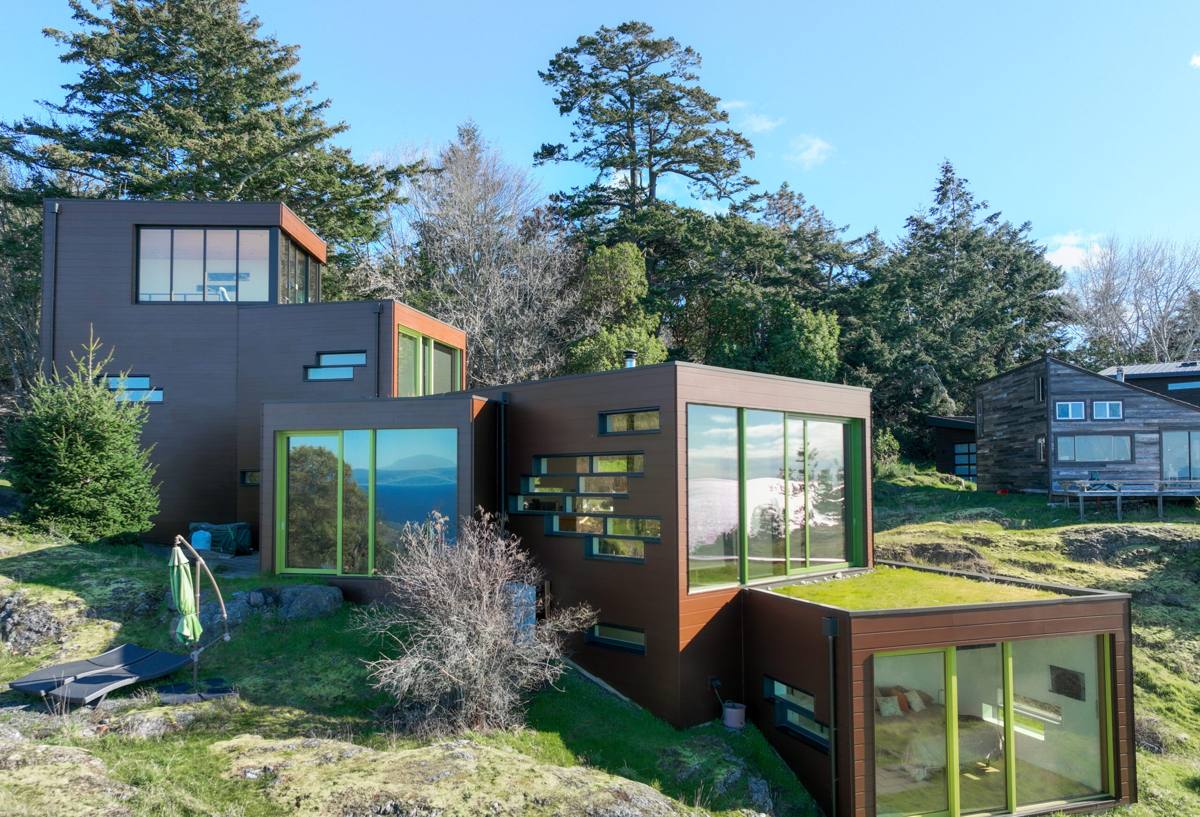
Custom windows aren't a style — they're windows built to an opening that a factory stock size won't fit. A lot of Abbotsford's housing stock includes older homes, additions, and renovated character properties where the rough openings were framed by hand decades ago and are rarely a clean, standard dimension. Trying to force a stock-size unit into one of these openings means shimming, packing, and covering gaps with trim — every one of which is a place water can eventually find its way in.
Custom vs. Standard-Size Replacement
Standard-size replacement works fine when the existing opening is already a common dimension and you're simply swapping old glass for new. Custom sizing is the right call when:
- The opening is original to a home built before standardized window sizing became common
- You're changing the window style (for example, converting a slider to a casement) or the shape (arched, angled, or bay)
- Previous repairs or a past renovation have altered the rough opening's dimensions
- You want the sightlines and proportions to match the rest of the home rather than accepting whatever comes closest off the shelf
Styles That Actually Suit This Area
Casement windows crank shut tight against a compression seal, which makes them one of the better performers against driving, wind-blown rain — a real consideration on exposed sides of a house in this valley. Double-hung and slider windows are easier to live with day-to-day but rely more on gasket seals that need to stay clean and unobstructed by grit and moss spores to keep performing. Neither is wrong; it's about matching the style to the wall's exposure and the homeowner's priorities.
Materials and Glass: What Holds Up Here
Frame material decides how a window ages, and in a climate with this much sustained moisture, that decision matters more than the glass package in a lot of cases.
| Frame Material | How It Handles Moisture | Maintenance | Where It Fits |
|---|---|---|---|
| Vinyl | Won't rot; can flex slightly in temperature swings | Low — occasional track cleaning | Most homes; best value for the climate |
| Fiberglass | Very stable, resists moisture and UV well | Low | Higher-exposure walls, larger custom units |
| Wood-clad | Good if cladding is intact; vulnerable at cuts, joints, and end grain | Higher — needs inspection and upkeep | Character homes where interior wood look matters |
| Aluminum | Durable but conducts cold and can condense in a wet climate | Moderate | Specific architectural or commercial-style applications |
On the glass side, we default to sealed double-pane units with a low-E coating and argon fill for most Abbotsford homes — it's a solid balance of comfort and cost. Triple-pane is worth discussing for north-facing walls, homes near louder roads, or anyone who's noticed persistent cold spots near existing glass. It's not about brand names or marketing claims; it's about matching the assembly to the wall it's going into.
What a Correct Installation Actually Involves
Most window problems we get called out to fix aren't glass failures — they're installation shortcuts. A correct install manages water as if it's guaranteed to reach the opening at some point, because in this climate, it is.
Flashing and Water Path
The window needs a continuous drainage path: sill pan flashing at the bottom, house wrap or building paper integrated properly at the sides and top, and a head flashing that sheds water out and away from the opening rather than relying on caulking alone to keep it out. Caulk is a backup, not the primary defense.
Sealing and Insulation
Low-expansion foam or backer rod and sealant around the frame perimeter closes air leaks without bowing the frame out of square — over-foaming a vinyl frame is a common mistake that causes operational problems later. Interior and exterior sealant beads both matter; skipping the interior side is a shortcut that shows up as condensation and drafts within a year or two.
Before we call any job done, we check:
- Window operates smoothly through its full range without binding
- Frame is level, plumb, and square in the opening
- Sill pan and flashing are integrated with the existing wall's water-resistive barrier, not just caulked over
- Interior and exterior sealant lines are continuous with no gaps
- No visible shims or gaps left uncovered under trim
- Weep holes (where applicable) are clear and functional
Working Across the Border: What It Changes
Abbotsford is close enough to Sumas that crossing to work there is routine for us, but it's not identical to a job on the U.S. side. Materials, tools, and crew scheduling all need to account for the border crossing, and Canadian building code and permitting requirements on custom or structural window changes are not the same as Whatcom County's. We plan for that up front rather than treating it as an afterthought once we're already on-site.
Permits and Code
Straight glass-for-glass replacement in an existing opening usually doesn't trigger a permit on either side of the border, but changing a window's size, adding a new opening, or altering egress windows in a bedroom typically does. We'll tell you plainly if your project needs a permit in Abbotsford before we start, rather than leaving that discovery for later.
Scheduling Around the Crossing
Border wait times and commercial crossing rules for hauling materials and equipment factor into how we schedule a job. A crew that already builds this into its routine doesn't pass that friction on to you as delays or surprise costs.
Our Process, Start to Finish
- On-site assessment — we measure every opening individually, check for rot or framing issues behind the existing window, and discuss style and material options that fit the wall's exposure.
- Written estimate — a clear breakdown of materials, labor, and any permit needs, with no vague allowances.
- Ordering and lead time — custom units are built to your exact openings, so we confirm measurements before placing the order and give you a realistic timeline.
- Installation — removal of the old unit, inspection and repair of any hidden water damage found in the opening, proper flashing and sealing, and careful finish work inside and out.
- Walkthrough and cleanup — we operate every window with you before we consider the job finished, and haul away old units and debris.
What Actually Drives the Cost
We won't quote a number without seeing the openings, but these are the factors that move a window project's price up or down:
| Factor | Impact on Cost |
|---|---|
| Standard size vs. true custom dimensions | Custom units cost more due to manufacturing and lead time |
| Frame material (vinyl vs. fiberglass vs. wood-clad) | Moderate to significant, depending on material chosen |
| Glass package (double vs. triple pane, coatings) | Moderate |
| Number of openings replaced at once | Per-unit cost typically drops with volume |
| Hidden rot or framing damage found during removal | Can add cost if discovered, but avoids bigger problems later |
| Access (second story, tight landscaping, tall walls) | Moderate — affects labor and equipment needs |
The one factor worth flagging directly: skipping proper flashing or sealant work to save money up front is the single most common cause of the repeat calls we get. It's cheaper to do the water management correctly the first time than to reopen a wall two winters later.
Why It Matters That We Already Work in Abbotsford
Every part of this — material choice, flashing details, permit knowledge, scheduling around the border — depends on knowing the specific conditions a house faces here rather than applying a generic playbook. A crew unfamiliar with the Fraser Valley's combination of driving rain, sustained marine humidity, and moss growth is more likely to make the same installation mistakes that cause window failures in the first place. We've seen what that looks like from the repair side, which is exactly why we build every custom window job to handle it from day one.
If you're weighing custom windows for a home in Abbotsford, we're happy to take a look and walk you through honest options for your specific openings and exposure. Fill out the form below for a free, no-pressure estimate — there's no obligation, and you'll get a straight answer about what your home actually needs.