 Sumas Roofing
 Why Deming's Weather Is Hard on Siding
Deming sits along the Nooksack River corridor in Whatcom County, close enough to the Salish Sea and the Fraser Valley that the same weather systems soaking the coast push inland and settle into the valley. That means long stretches of driving rain, humid air that never fully dries out between storms, and a moss season that can run most of the year on north-facing walls and anything shaded by trees. Salt-tinged marine air works its way up the valley too, and over the years it's just as hard on painted wood trim and cheap siding panels as it is on metal fixtures.
Siding in this area doesn't fail because a homeowner did anything wrong. It fails because wood-based and lower-grade products absorb moisture faster than this climate lets them shed it. Once that cycle starts — swell, crack, peel, repeat — it doesn't reverse itself. The right siding, installed correctly, is what breaks that cycle.
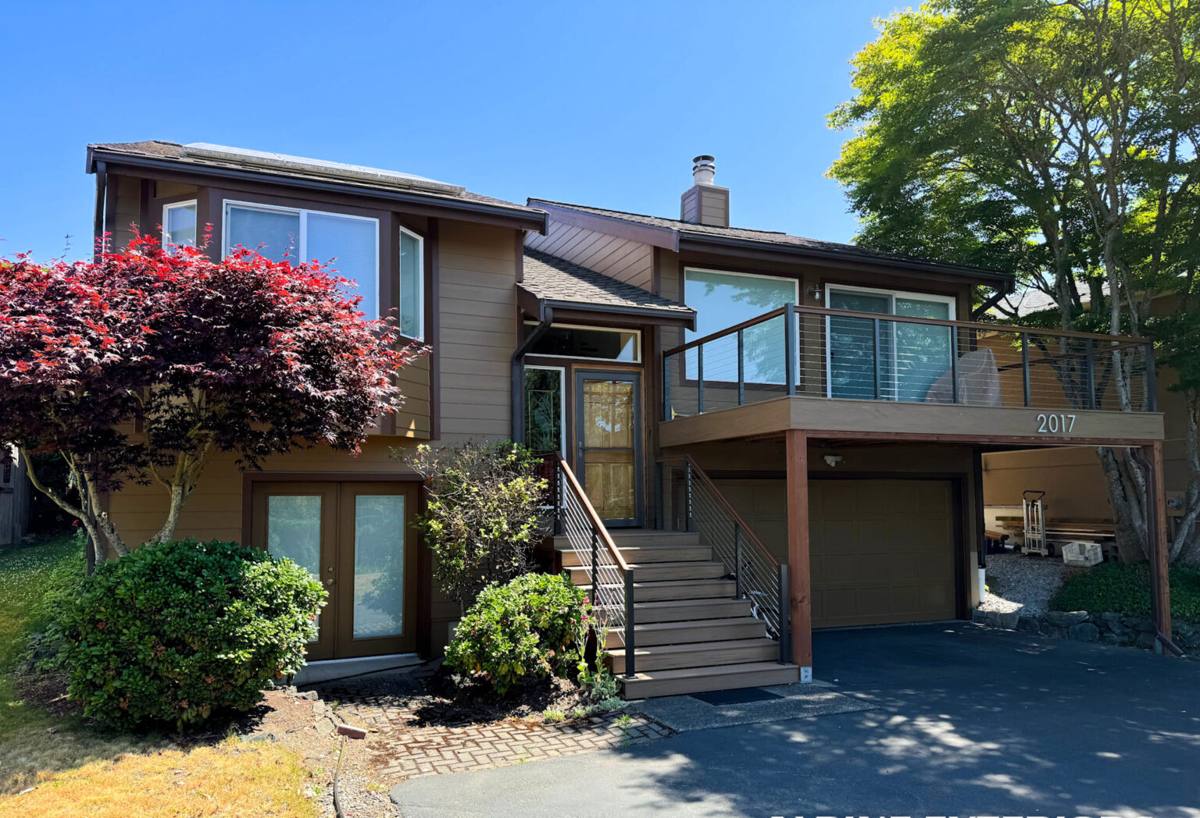
What "Correctly Installed" Fiber Cement Actually Means
Fiber cement siding is only as good as the details underneath it. A lot of the sales pitch for any siding product focuses on the plank itself, but on a Deming home, the water management behind the plank matters just as much as the plank.
Flashing and Drainage
Every window, door, and horizontal transition needs proper flashing and a drainage plane behind the siding — not caulk used as a substitute for flashing. In a climate that sees this much sustained rain, any gap in the drainage path becomes a slow leak that shows up as rot or mold long after the siding itself looks fine from the street.
Fastening and Clearances
Fiber cement has to be fastened per the manufacturer's specification — correct nail type, correct placement, correct depth — or the warranty is void and the panel can crack prematurely. Ground clearance and roof-line clearance also matter more here than in a dry climate: siding installed too close to grade or too close to a roofline stays wet longer and invites the moss and mildew this region is known for.
Caulking and Joints
Joints get sealed with a high-quality, paintable sealant rated for the product, not whatever's cheapest at the yard. Done right, joints stay tight through freeze-thaw cycles and repeated wet-dry swings; done wrong, they're the first place water gets behind the siding.
Why We Install Only James Hardie — Not Vinyl, LP, or Cedar
We've made a deliberate call to install James Hardie fiber cement exclusively. That's not a marketing position — it's what we're willing to put our name behind after years of seeing how different products actually hold up in Whatcom County's climate.
Vinyl siding is inexpensive and low-maintenance, and for some budgets it's a reasonable choice. But it's a petroleum-based product that expands and contracts with temperature swings, can crack in cold snaps, and fades over time in a way that can't be repainted back to new. LP SmartSide is an engineered wood product with real strengths, but it's still wood at its core — it depends on its factory coating and careful field sealing to keep moisture out, and any breach in that coating in a climate this wet starts a clock. Primed spruce and cedar are traditional, attractive options, but raw or primed wood siding needs ongoing paint maintenance, and in a moss-prone, high-moisture region that maintenance schedule gets expensive fast, and skipped maintenance shows up as rot.
James Hardie is cement, sand, and cellulose fiber — non-combustible, dimensionally stable, and manufactured with climate-specific formulations (their HZ product lines) built for exactly this kind of wet, marine-influenced weather. The factory-applied ColorPlus finish is baked on under controlled conditions, so it resists the fading and peeling that field-applied paint struggles with here. It's also backed by a strong transferable warranty, which matters if the home ever sells. We'd rather install one product exceptionally well than juggle five products at a mediocre level — and after seeing how the alternatives age around this county, Hardie is what we're comfortable standing behind.
How James Hardie Compares for a Whatcom County Home
| Factor | James Hardie Fiber Cement | Vinyl | LP SmartSide / Wood |
|---|---|---|---|
| Moisture resistance in sustained rain | Excellent — cement base doesn't absorb and swell | Good, but seams and J-channels can trap water | Depends heavily on coating integrity and caulking upkeep |
| Performance in salt-influenced air | Not affected by salt exposure | Holds up reasonably but can chalk over time | Coatings break down faster near marine air |
| Moss and mildew resistance | Resists surface growth; cleans up easily | Resists growth but can trap moisture underneath | More prone to surface mildew and staining |
| Fire resistance | Non-combustible | Melts/deforms at low heat | Combustible (engineered wood) |
| Finish longevity | Factory-baked ColorPlus, resists fading | Field color can fade unevenly, not repaintable easily | Field-applied paint needs repainting on a cycle |
| Warranty | Strong, transferable manufacturer warranty | Varies by manufacturer | Varies; often shorter on finish |
Our Installation Process, Start to Finish
Estimate and Inspection
We walk the exterior, check the existing siding and sheathing for hidden moisture damage, and measure for material. This is also when we flag anything unusual about the home's exposure — tree cover, north-facing walls, low grade clearance — that affects how the job should be detailed.
Prep and Tear-Off
Old siding comes off and we inspect the sheathing underneath before anything new goes up. If we find rot or compromised sheathing, we address it before installation rather than covering it over — closing in a problem is how small issues become expensive ones.
Weather Barrier and Flashing
A proper weather-resistant barrier and flashing package goes in at every penetration and transition before a single plank is hung. This step is invisible once the job is done, which is exactly why it has to be done right the first time.
Installation
Panels are fastened to James Hardie's specification, with correct clearances at grade, roofline, and trim. Joints are sealed with the appropriate sealant, and factory-finished ColorPlus material is handled carefully to protect the finish through installation.
Cleanup and Walkthrough
We clear debris, haul away old material, and walk the finished job with the homeowner so everything is understood — what was done, what to expect, and how to care for it going forward.
What It Costs and What Drives the Price
Fiber cement siding costs more up front than vinyl and is comparable to or less than quality wood siding once you factor in long-term maintenance. The real number for any given Deming home depends on a handful of factors:
| Cost Factor | Why It Matters |
|---|---|
| Home size and wall complexity | More corners, dormers, and trim details mean more cutting and labor time |
| Existing siding removal | Tear-off and disposal of old material adds labor and haul-away cost |
| Sheathing repair | Rot found during tear-off has to be repaired before new siding goes on |
| Plank profile and finish | Lap width, shingle-style panels, and trim options affect material cost |
| Site access | Steep grades, tight lot lines, or limited staging area can add time |
We give a written estimate that breaks these factors out, so there's no guessing about where the number comes from.
Why a Crew That Already Works in Deming Makes a Difference
A lot of siding problems in this area trace back to installers who treat every job the same regardless of climate. A crew that regularly works Whatcom County knows to add extra attention to grade clearance on riverside lots, to plan around the wetter shoulder seasons, and to expect that anything shaded by conifers will need better ventilation detailing than a south-facing wall in full sun. That's not something you learn from a manufacturer's install manual alone — it's something you learn from doing the work here, on homes dealing with the same rain and moss pressure, season after season.
It also means fewer surprises during the estimate. We already know what this climate does to siding over time, so we're not guessing at what a Deming home needs — we're applying what we've already seen work.
Caring for Your Siding After Installation
Correctly installed James Hardie siding is low-maintenance, but "low-maintenance" doesn't mean "no attention ever." A little bit of seasonal care goes a long way in this climate:
- Rinse the siding once or twice a year to keep moss spores and mildew from taking hold, especially on shaded or north-facing walls
- Keep gutters clear so overflow doesn't run down the siding face repeatedly
- Trim back vegetation and tree limbs that keep a wall damp and shaded longer than necessary
- Check caulked joints and trim transitions every year or two and have any gaps resealed promptly
- Watch for any siding installed too close to grade after landscaping changes, and correct clearance if soil or mulch has built up over time
Choosing the Right Contractor for the Job
Not every crew that "does siding" installs fiber cement to spec, and a beautiful-looking install can still be missing the water management details that matter most in this climate. Before hiring anyone for a fiber cement project in Deming, it's worth confirming:
- They are a factory-trained or manufacturer-recognized James Hardie installer, not just a general siding crew
- They'll show you the flashing and weather-barrier plan, not just the plank color
- They inspect and repair sheathing before closing in new siding, rather than covering over existing damage
- They provide a written estimate that breaks out labor, material, and any anticipated repair work
- They stand behind the installation with a workmanship warranty in addition to the manufacturer's product warranty
If you're weighing a siding replacement on a Deming home and want a straight answer about what it actually needs, we're happy to take a look and walk the property with you. There's no pressure and no cost to get our honest read — just fill out the form below for a free estimate.