 Sumas Roofing
 Siding for Goshen Has to Answer to the Weather, Not Just the Style Book
Goshen sits in the northern reach of Whatcom County, close enough to the Sumas border that the same weather pattern hits both areas the same way: marine air pushing in off the Salish Sea, driving rain that comes in sideways more often than straight down, and a moss season that can run eight or nine months out of the year. Siding here isn't just a cosmetic choice. It's the one layer standing between wood-framed walls and a climate that stays wet, cool, and shaded for most of the calendar.
We install James Hardie fiber cement siding, exclusively, on homes in Goshen and the surrounding Sumas area. This page covers what that means specifically for this climate and this neighborhood — not a generic rundown of what Hardie siding is, but what a correct Hardie install looks like on a house that has to survive a Whatcom County winter every single year.
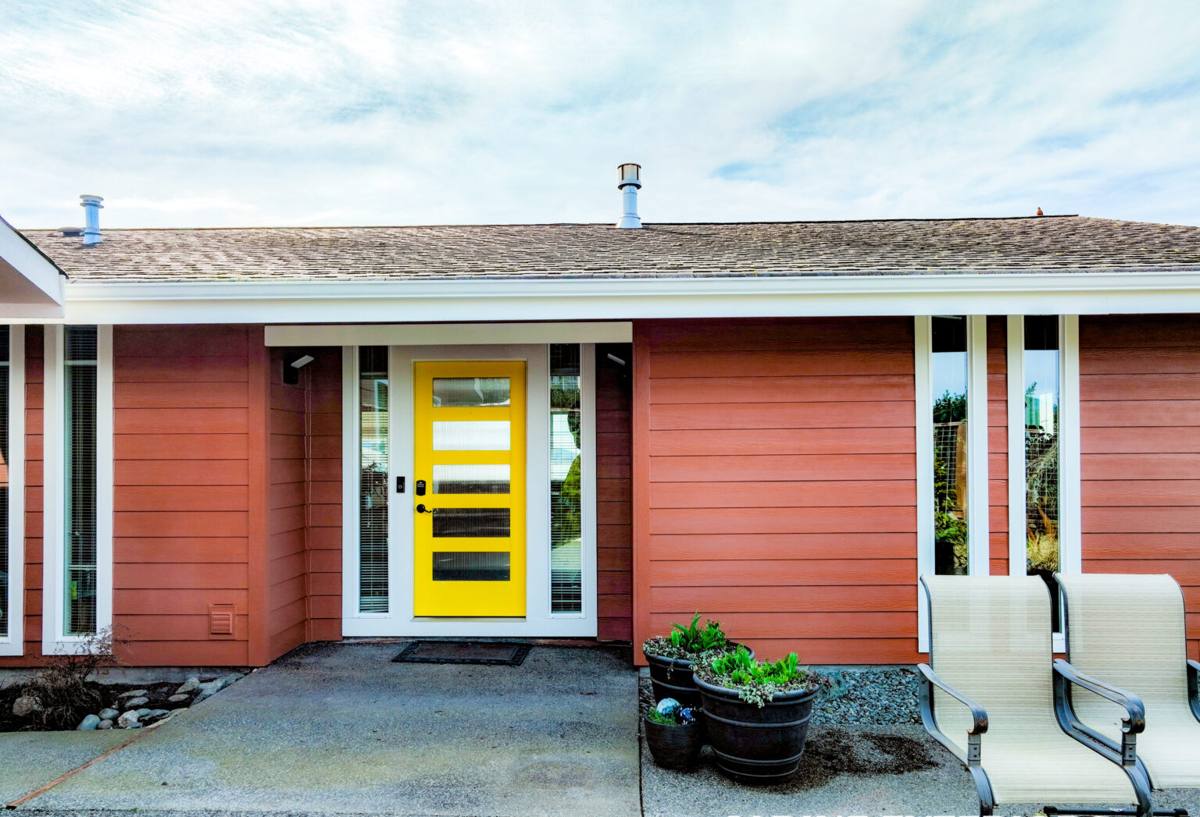
What Driving Rain and Moss Season Actually Do to a Wall
Homeowners often assume siding fails because it "wears out." In this climate, it usually fails because moisture gets behind it and never fully dries. Wind-driven rain forces water sideways under laps, around trim, and into any gap that wasn't sealed or flashed correctly. Once that water is behind the siding, the shade and humidity that feed a long moss season on the roof do the same thing to north-facing and tree-shaded walls — they slow drying to a crawl.
- Wood-based and OSB-core siding products swell, delaminate, or rot when moisture sits behind them for weeks at a time.
- Vinyl siding doesn't rot, but it doesn't stop water either — it relies almost entirely on the water-resistive barrier behind it, and it can warp or crack in temperature swings and impact events.
- Poorly caulked or unpainted seams become entry points that widen with every freeze-thaw cycle through a Whatcom County winter.
- North and west-facing walls in Goshen's tree cover stay damp longer than walls in open sun, which accelerates moss, algae, and mildew growth on any siding surface that isn't factory-sealed.
None of this is unique to any one brand of siding — it's physics. The difference is how much resistance a given product and installation method actually offer once water finds its way to the wall.
Why We Standardized on James Hardie for This Climate
We made a decision as a company to install James Hardie fiber cement siding and nothing else. Not vinyl, not LP SmartSide, not Cemplank or Allura, not primed spruce or cedar. That's not a marketing position — it's a response to what we see on tear-offs and re-sides across Whatcom County.
Fiber cement is dimensionally stable — it doesn't swell, cup, or split the way wood-based products can when they take on moisture. It's non-combustible, which matters more every year as wildfire smoke and ember exposure become a bigger part of Pacific Northwest summers. James Hardie's HardieZone system is engineered specifically for wet, marine climates like ours (HZ5 product lines are built for exactly this kind of weather), and the ColorPlus factory finish is baked on under controlled conditions rather than field-painted, which gives it far better resistance to fading, chipping, and moisture intrusion at the surface than a job-site paint job ever will.
That doesn't mean other products are junk. LP SmartSide and cedar both have real advantages in the right application. But once you weigh long-term moisture behavior, maintenance burden, and warranty structure against what a Goshen wall actually has to survive year after year, Hardie is what we're willing to put our name behind.
What a Correct Hardie Install Involves — Not Just "Nailing Up Boards"
Most siding failures we get called out to inspect aren't product failures. They're installation shortcuts. James Hardie publishes detailed fastening, clearance, and flashing specifications for a reason — skip them and you get the same moisture problems as any other siding, just with a better-looking surface hiding it.
The details that matter most in this climate
- Weather-resistive barrier and flashing first. The house wrap, window flashing, and kick-out flashing at roof-wall intersections have to be done correctly before a single board goes up — Hardie siding is a rain-screen component, not a waterproof membrane by itself.
- Proper clearances. Hardie specifies minimum gaps between siding and roofing, decks, and grade — usually 1 to 2 inches depending on the surface — so water has somewhere to go instead of wicking up into the board.
- Correct fastener pattern and depth. Overdriven nails crack the board's factory seal; underdriven nails leave gaps that trap water. Both show up as problems years later, not on install day.
- Sealed and primed cut edges. Every field cut exposes raw fiber cement that needs to be sealed before it's installed — this is one of the most commonly skipped steps on rushed jobs.
- Caulking only where Hardie specifies it. Over-caulking traps moisture as often as it keeps it out; the joints and butt seams need to be treated according to the manufacturer's actual system, not a caulk gun run down every seam out of habit.
This is the level of detail that separates a Hardie install that looks right on day one from one that still looks right in year fifteen.
Product Lines That Make Sense for a Goshen Home
James Hardie makes several siding profiles, and the right mix depends on the house — but a few tend to come up most often on the homes we work on in this area.
| Product | Best Use | Why It Fits This Climate |
|---|---|---|
| HardiePlank lap siding | Primary wall siding on most homes | Most common, widest color range, proven long-term performance in wet climates |
| HardiePanel vertical siding | Accent walls, gables, modern or farmhouse styling | Fewer horizontal laps means fewer potential water entry points on exposed elevations |
| HardieTrim boards | Corners, window and door trim, fascia | Fiber cement trim won't rot the way wood trim does at the joints where most water intrusion starts |
| HardieSoffit panels | Eaves and overhangs | Resists the sustained dampness that shows up under overhangs in a long, shaded moss season |
ColorPlus finishes are worth prioritizing over field-painted primed siding for any Goshen home, especially on north and west elevations where paint jobs fade and mildew-stain fastest. The factory finish also carries its own finish warranty separate from the substrate warranty, which matters if color and gloss retention are a priority.
How Our Process Works on a Goshen Job
We work Goshen and the greater Sumas area regularly, which changes the practical side of a project more than most homeowners expect.
- On-site assessment. We look at the existing siding, sheathing, and any signs of past moisture intrusion — not just the surface. On older homes this can mean pulling a board or two to check for rot before quoting the job.
- Scope and material plan. We spec the right Hardie products, trim details, and flashing plan for the specific elevations and exposure of the house, not a one-size-fits-all package.
- Tear-off and sheathing check. Old siding comes off, and any damaged sheathing or framing gets addressed before new house wrap goes on — this is the step that gets skipped on rushed jobs and causes problems five years later.
- Weather barrier, flashing, and install. House wrap, flashing at every penetration, then Hardie siding installed to manufacturer clearance and fastening spec.
- Final detailing and walkthrough. Trim, caulking where specified, and a walkthrough so you know exactly what was done and why.
Because we're already working in the area, scheduling and material logistics are more predictable — we're not routing a crew and a truckload of materials in from somewhere else for a one-off job.
What Drives the Cost of a Goshen Siding Job
| Factor | Why It Matters |
|---|---|
| House size and wall complexity | More corners, gables, and elevations mean more cutting, trim, and labor hours |
| Existing wall condition | Rotted sheathing or framing found during tear-off adds repair scope before siding can go on |
| Siding profile and finish | ColorPlus factory-finished boards cost more upfront than primed boards but eliminate a paint job |
| Trim and accent details | Vertical panel accents, custom trim widths, and soffit work add material and labor |
| Access and site conditions | Tree cover, tight lot lines, and multi-story walls affect staging and scaffolding needs |
We give a written, itemized estimate before any work starts, so you can see exactly what's driving the number rather than a single lump-sum figure.
Maintaining Hardie Siding Through a Long Moss Season
Fiber cement siding is low-maintenance compared to wood, but "low-maintenance" doesn't mean "no maintenance," especially with the moss and algae pressure this area sees.
- Rinse siding annually with a garden hose and soft brush — avoid high-pressure washing, which can force water behind laps and strip the ColorPlus finish over time.
- Keep gutters and downspouts clear so overflow doesn't run down the wall face during heavy rain events.
- Trim back vegetation and tree limbs that keep a wall section shaded and damp longer than the rest of the house.
- Check caulking at trim joints and penetrations every couple of years — caulk is a maintenance item on any siding system, including Hardie.
- Address any impact damage (a ladder, a stray branch) promptly rather than leaving an exposed, unsealed edge through a wet winter.
Why a Crew That Already Works Goshen Matters
A siding install is only as good as the details nobody sees once the job is done — the flashing behind the trim, the clearance at the base of the wall, the fastener depth on every single board. A crew that works this specific stretch of Whatcom County regularly has already seen how the local rain patterns, tree cover, and moss exposure play out on real houses, not just in a manufacturer's spec sheet. That familiarity shows up in fewer callbacks and a siding job that's still doing its job correctly a decade from now.
If you're weighing a siding project on a Goshen home, we're glad to come take a look and walk you through what we'd actually recommend for your specific walls and exposure — no pressure, no generic package pricing. Reach out for a free estimate using the form below.