 Sumas Roofing
 Why Windows in Maple Falls Take More Punishment Than the Catalog Photo Suggests
Maple Falls sits up in the wetter, cooler stretch of Whatcom County, and the windows on these homes work harder than most manufacturers assume when they write their warranty language. You're dealing with long stretches of driving rain that comes in sideways off the foothills, humid air that never fully dries out between storms, and a moss season that can run most of the year on anything north-facing or shaded by trees. Add the marine-influenced moisture that pushes inland from Puget Sound, and you get a slow, steady assault on wood, seals, and flashing that a drier climate just doesn't produce.
None of that means a window fails on day one. It means a window installed a little sloppy, or built from the wrong materials for this area, quietly loses its seal over three or four winters, and by the time you notice fogging between panes or soft trim, the damage has usually spread into the wall framing around it. Custom windows done right in Maple Falls aren't about looks first. They're about picking the right frame, the right glass package, and the right installation detail for a climate that never really lets a house dry out.
What "Custom" Actually Means for a Window Job Out Here
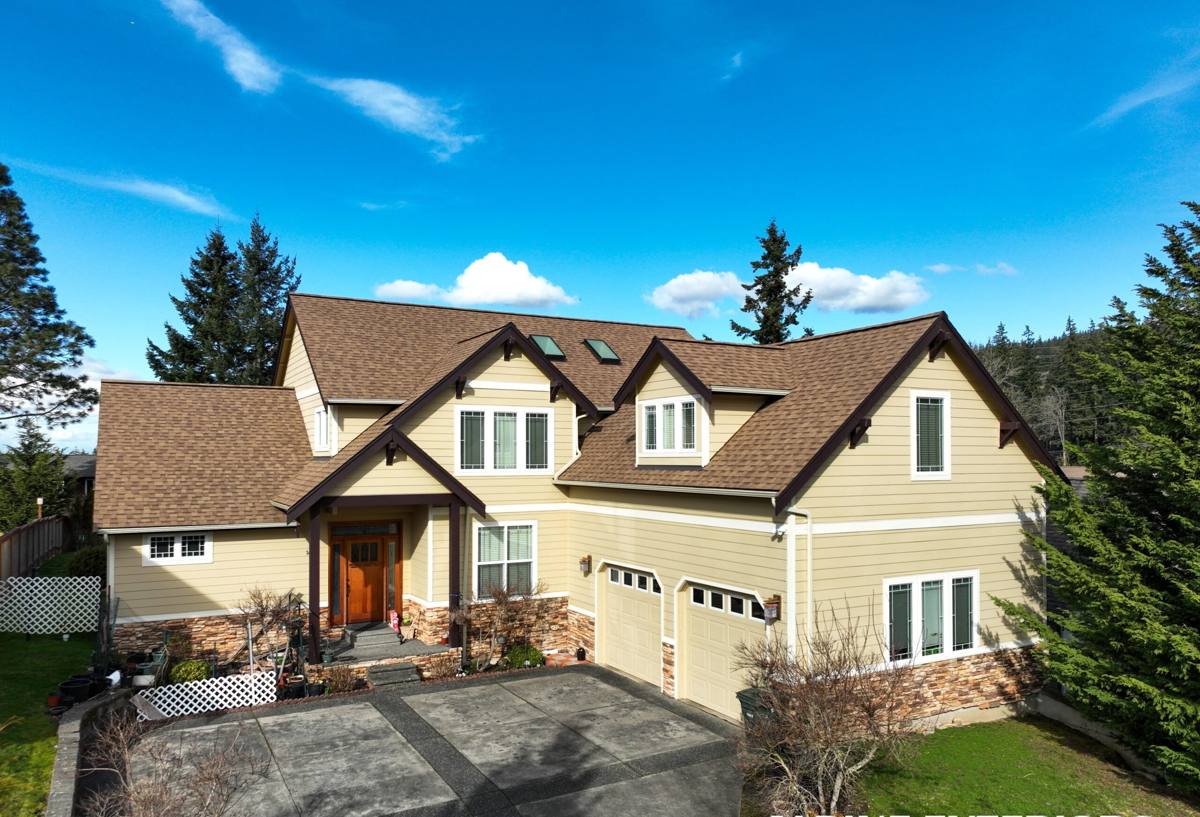
"Custom" doesn't have to mean unusual shapes or high-end architecture. On most of the homes we work on around Maple Falls, custom simply means the window is built to the exact rough opening in your wall, not the nearest stock size with shims and gaps filled in around it. Older cabins, farmhouses, and additions in this area were often framed by hand, decades apart, so openings rarely match modern stock dimensions.
When a Stock Size Actually Works
Newer construction with standard framing can sometimes take an off-the-shelf size without issue, and there's no reason to pay a custom premium if a stock unit fits clean and seals properly. Part of an honest estimate is telling you when that's true instead of upselling a custom order you don't need.
When Custom Is the Only Real Option
Older openings, out-of-square framing (common after decades of moisture cycling and settling), bay or bow configurations, and any window where you're changing the shape or size to improve light or egress all call for a true custom order. Forcing a stock window into an opening it wasn't built for is one of the most common causes of the leaks we get called out to fix.
Choosing a Frame Material That Can Handle Wet, Mossy Conditions
Frame material matters more here than in a drier inland climate, because the frame is what stands between the glass unit and constant moisture exposure. We steer most Maple Falls homeowners toward vinyl or fiberglass for that reason, and reserve wood for homes where the look is worth the extra upkeep.
| Frame Material | Moisture Resistance | Maintenance | Typical Cost Range | Best Fit |
|---|---|---|---|---|
| Vinyl | Very good, won't rot or absorb water | Low; occasional cleaning only | Lowest of the three | Most homes prioritizing value and low upkeep |
| Fiberglass | Excellent, dimensionally stable in swings between wet and dry | Low | Mid to upper range | Larger openings, energy-focused remodels |
| Wood / Wood-Clad | Fair to good depending on cladding; interior wood still needs protection | Higher; finish and seals need periodic attention | Highest | Historic character homes where appearance is the priority |
Solid wood frames without exterior cladding are the one product we generally advise against for this specific climate, not because the material is inferior on its own merits, but because unclad wood exposed to this much sustained moisture needs a maintenance schedule most homeowners don't keep up with, and a missed refinishing cycle here can mean rot starting inside the frame before it's visible from outside. Clad wood, or wood-interior with a vinyl or fiberglass exterior, gives you the look without that exposure risk.
Glass Packages: Keeping Heat In and Moisture Out
Glass is where a lot of the real performance difference happens, and it's easy to overspend on features that don't matter here or underspend on the one or two that do.
U-Factor Is the Number to Watch
U-factor measures how much heat the window loses, lower is better for our winters. For Maple Falls' elevation and cooler average temperatures compared to the valley floor down around Sumas, we generally recommend staying on the lower end of what's available in a given product line, even if it costs a bit more up front. It pays back in comfort near the glass and in fewer condensation issues on cold mornings.
Double-Pane vs. Triple-Pane
Double-pane with a good low-E coating and argon fill covers most homes in this area well. Triple-pane adds real value on north-facing walls, rooms that stay cold, or homes right up against tree cover where the sun never fully warms the glass, but it adds weight and cost, and isn't always worth it on every elevation of the house. We'll tell you where it's worth it and where it isn't rather than quoting it across the board.
Condensation Resistance
A window rated well for condensation resistance matters more here than in a drier climate, because interior humidity plus cold glass is exactly the recipe for fogged panes, drips on the sill, and eventually staining or mold on the trim below. This is a spec worth asking about directly when comparing quotes.
The Installation Details That Actually Prevent Leaks
More window failures we see trace back to installation than to the product itself. A good window installed poorly will leak; a mid-grade window installed correctly usually won't. Given how much rain this area gets, the flashing and sealing sequence is not a place to cut corners.
- Old window and any damaged sill or framing material fully removed, not just the sash swapped out
- Sheathing and framing checked for hidden rot before the new unit ever goes in
- Proper flashing sequence around the opening, integrated with the existing weather-resistive barrier so water is directed out, not trapped behind the siding
- Sill pan installed to catch and drain any moisture that gets past the primary seal
- Low-expansion foam or backer rod and sealant used correctly around the frame, not oversprayed foam that can bow the frame out of square
- Exterior trim and caulking finished to shed water, matched to the home's existing exterior where possible
- Interior finish work completed cleanly, with insulation checked around the frame before drywall or trim goes back on
Any one of these steps skipped is usually invisible for a season or two, and then shows up as a stain, a soft spot, or a draft right when the weather turns.
Signs Your Current Windows Are Already Failing
Because failure here is gradual, most homeowners are dealing with a problem well before they notice it. A few things worth checking on your own before calling anyone out:
- Fogging or moisture trapped between panes of a double-pane unit, meaning the seal has failed and the glass unit needs replacing, not just the frame
- Visible moss or dark staining on the sill, exterior trim, or the wall just below a window
- Soft or spongy wood when you press on the exterior trim or interior sill
- A draft you can feel with your hand near the frame edge on a windy day
- Windows that are difficult to open, close, or latch, often a sign the frame has shifted or swollen
- Noticeably higher heating bills compared to a similar-sized home, with no other explanation
Any one of these is worth a look. Several at once usually means it's time to plan the replacement rather than patch around it another winter.
Permits, Egress, and Code Basics
Whatcom County typically requires a permit for window replacements that change the size of the rough opening, and bedroom windows have specific egress requirements, minimum opening size and sill height, that matter for safety and for resale down the road. Straight swaps into an existing, unmodified opening are often more straightforward, but it's worth confirming rather than assuming, especially on an older home where a previous owner may have already modified an opening without documentation. Part of a proper estimate includes flagging this before work starts, not after.
Why a Crew That Already Works Maple Falls Matters Here
This is a small, specific climate pocket, wetter and cooler than the valley floor, with a longer moss season and more sustained humidity than homes closer to Sumas. A crew that installs windows across a wide range of conditions without spending real time in this particular stretch of Whatcom County can get the product spec right and still miss the site-specific details: which elevations of a house take the worst driving rain, how much the tree cover on a lot keeps moisture sitting on the exterior longer, or how a particular era of local home construction tends to be framed.
Working this area regularly also means we're not guessing at material behavior, we've seen how different frame materials and flashing approaches hold up here over several winters, not just in a manufacturer's lab testing. That's the difference between a window that's rated for the climate and one that's actually proven in it.
Keeping New Windows Performing After Install
A properly installed custom window shouldn't need much, but a little seasonal attention keeps it performing for the long haul in this climate:
- Clear moss and debris from sills and tracks before it holds moisture against the frame
- Check exterior caulking annually and touch up any cracked or separated sections before the wet season sets in
- Keep gutters and downspouts clear so runoff isn't sheeting directly down onto window heads
- Operate every window at least once each season so weatherstripping and hardware don't seize up
- Watch for early signs of seal failure, a hazy corner in the glass is worth addressing while it's still just a warranty claim, not a wall repair
If you're weighing whether it's time to replace windows on a Maple Falls home, or just want a straight answer on what a custom job would actually involve for your house, we're glad to come take a look. The estimate is free, there's no pressure, and you'll get a clear rundown of what your home actually needs, not just a quote.