 Sumas Roofing
 Why Bellingham Homes Are Hard on Siding
Bellingham sits close enough to the water and the foothills that its homes take a different kind of beating than siding sees further inland. Salt-laden air off the bay works into seams and fastener heads over time. Driving rain, pushed sideways by wind off the Strait, finds every gap in flashing and caulk that a calmer climate would never expose. And Whatcom County's long, wet stretch from fall through spring means a moss season that can run six months or more, feeding on any surface that stays damp and shaded.
None of this is unusual for western Washington, but it adds up faster in Bellingham and the surrounding communities than homeowners often expect. Siding that would last two or three decades in a drier climate can start failing in half that time here if it wasn't installed with this specific mix of moisture, salt, and shade in mind. That's the starting point for every siding job we do in this area — not the product itself, but how it holds up against what this climate actually does to a house.
What "Driving Rain" Actually Does to a Wall
Driving rain isn't just more water — it's water under pressure, pushed horizontally and sometimes upward under eaves and around window trim. A siding system that handles a straight-down rain just fine can still let moisture behind the cladding when wind-driven rain hits it from the side. That's why the water-resistive barrier and flashing details behind the siding matter as much as the siding material itself, especially on walls that face open water or prevailing wind.
Moss, Shade, and Slow-Drying Walls
North-facing walls, walls shaded by mature trees, and any siding tucked under deep eaves or near dense landscaping stay damp longer after every rain. Over a Whatcom County winter, that's a lot of cumulative wet time. Moss and algae take hold on surfaces that can't dry out between storms, and on some materials that growth also traps moisture against the surface itself, which accelerates whatever damage the moisture is already causing underneath.
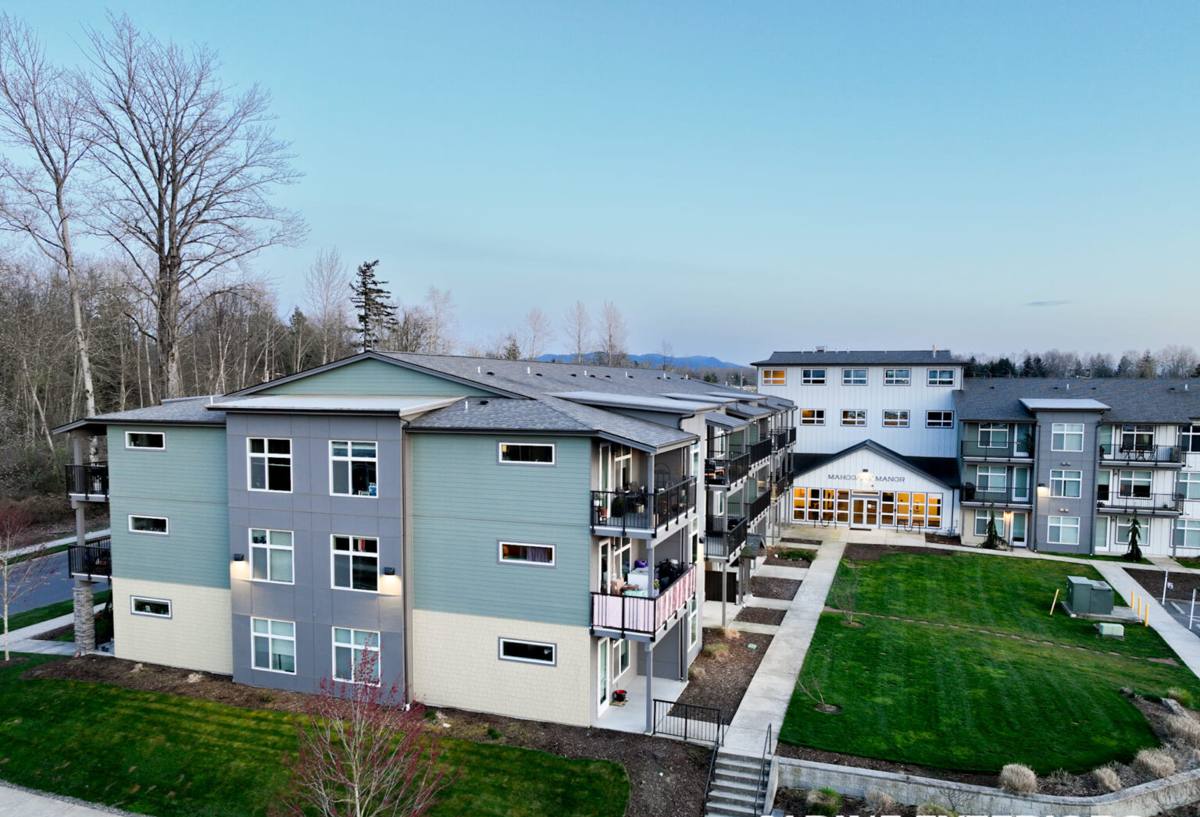
What a Correct Siding Installation Involves
A siding job that's going to hold up in this climate isn't just nailing boards to a wall. The parts nobody sees — the water-resistive barrier, the flashing, the gaps left for drainage — do more long-term work than the finish coat everyone looks at. Skipping or rushing these details is the single biggest reason siding fails early in wet climates, regardless of which product is on the wall.
- Weather-resistive barrier: A continuous, properly lapped barrier behind the siding, with no gaps or punctures that weren't sealed.
- Window and door flashing: Integrated so water sheds outward and down, never behind the siding or into the framing.
- Fastening pattern: Correct nail or screw type, spacing, and depth — matched to the manufacturer's specification, not a generic pattern.
- Clearance and drainage: Proper gaps at the bottom of walls, around penetrations, and at grade so bulk water and moss-feeding moisture don't sit against the material.
- Joint and seam treatment: Butt joints, corners, and trim sealed or detailed in a way that sheds water rather than collecting it.
- Caulking discipline: Caulk used where the system calls for it — and left out where the system is designed to drain, since over-caulking can trap moisture instead of releasing it.
Any one of these done wrong can undercut an otherwise good product. We've seen quality siding fail early because of a missed flashing detail, and we've seen more basic siding perform well for years because the install behind it was done right. The material matters, but the installation is what determines whether that material gets to live up to its potential.
Why We Install Only James Hardie Fiber Cement
We standardized on James Hardie fiber cement siding for every home we side, including here in Bellingham, and we don't install vinyl, LP SmartSide, or other fiber cement brands. That's a deliberate call based on what holds up in this specific climate over the long run, not a sales preference.
Fiber cement is non-combustible, which matters increasingly across Washington as wildfire risk expands the areas insurers and building codes pay attention to. It doesn't expand and contract with temperature swings the way vinyl does, which means fewer buckled or warped panels after a few Whatcom County temperature cycles. And James Hardie's ColorPlus factory finish is baked on and warranted against fading, chipping, and cracking in a way that field-applied paint systems on other materials generally aren't.
James Hardie also builds region-specific product lines — its HZ5 formulation, for example, is engineered for climate zones with more moisture exposure, which includes the Pacific Northwest. That's a meaningful difference from a one-size-fits-all product, and it's part of why we don't treat "fiber cement" as an interchangeable category. The brand and the formulation both matter for a wall that's going to face Bellingham's rain and salt air for the next 30-plus years.
We're not going to tell you other siding products are junk — vinyl and LP SmartSide both have their place, and each does some things well. But we've made a professional decision about what we're willing to warranty our workmanship on, and for this climate, that's James Hardie.
How the Job Works, Start to Finish
- On-site assessment: We look at your current siding, the condition of the sheathing underneath where accessible, drainage around the foundation, and any problem areas — shaded walls, water-facing elevations, spots with existing moss or staining.
- Scope and product selection: We walk you through the relevant James Hardie plank, panel, or shingle profile and ColorPlus color options for your home, and put together a written scope covering removal, prep, and installation.
- Tear-off and prep: Old siding comes off, the sheathing gets inspected for hidden rot or moisture damage (common on older homes in this area), and any needed repairs happen before new material goes up.
- Weather barrier and flashing: A new water-resistive barrier goes on, with flashing detailed at every window, door, and penetration before the first piece of siding is installed.
- Installation to manufacturer spec: Fastening pattern, clearances, and joint treatment follow James Hardie's published installation guidelines — the same guidelines that back the warranty.
- Final walkthrough: We go over the finished job with you, including basic care and what to watch for going forward.
Signs Your Bellingham Home May Need New Siding
- Persistent moss or algae growth that returns shortly after cleaning, especially on shaded or north-facing walls.
- Soft spots, or a spongy feel, when you press on the siding — a sign moisture has reached the material underneath.
- Visible warping, buckling, or gaps between panels or boards.
- Paint that's peeling, bubbling, or needing repainting far more often than it used to.
- Rising heating bills with no other obvious cause, which can point to moisture-compromised insulation behind failing siding.
- Staining or discoloration streaking down from seams, trim, or fasteners.
What Affects the Cost of a Siding Installation
Every Bellingham home is different, so we don't quote a job without seeing it, but these are the main factors that move the price:
| Factor | Why It Matters |
|---|---|
| Home size and wall complexity | More square footage, more corners, dormers, and trim mean more material and labor. |
| Condition of existing sheathing | Hidden rot found during tear-off adds repair work before new siding can go up. |
| Siding profile chosen | Lap plank, shingle-style, and panel systems differ in material cost and install time. |
| Trim and accessory scope | Full trim replacement adds cost but keeps the finished look and performance consistent. |
| Access and site conditions | Steep lots, mature landscaping, or limited access can add labor time. |
| Story height | Second-story and taller walls require more scaffolding or lift time. |
Why a Local Sumas Crew Matters for a Bellingham Job
We're based in Sumas, and we work throughout Whatcom County, including Bellingham, on a regular basis — this isn't a one-off drive-in job for us. That matters in a few concrete ways. We already know which elevations in this area tend to take the worst of the wind-driven rain, which neighborhoods deal with heavier moss pressure because of tree cover or lot orientation, and how the local building department handles siding and flashing inspections. We're not learning the county's permitting quirks or the coastal wind patterns on your dime.
Being local also means we're around after the job is done. If a question comes up two years from now about a caulk line or a color match for an addition, we're not a company that disappeared to the next region over. We live and work in this part of Washington, and our reputation here depends on the siding we install still looking and performing right well after the crew has moved on to the next house.
Caring for Your Siding After Installation
James Hardie siding is low-maintenance compared to wood or vinyl, but "low-maintenance" doesn't mean "no maintenance," especially in this climate. A yearly rinse-down to keep moss and algae from establishing, prompt attention to any caulk lines that start to crack or separate, and keeping landscaping trimmed back from shaded walls all go a long way toward getting the full lifespan out of the material. None of it is difficult, but skipping it in a climate this wet lets small issues turn into bigger ones faster than in a drier part of the state.
Get an Honest Look at Your Siding
If your Bellingham home's siding is showing moss, staining, soft spots, or you're just planning ahead for a replacement, we're happy to come take a look and give you a straight answer about what we see — no pressure, no obligation. Fill out the form below to schedule a free estimate.