 Sumas Roofing
 Windows Built for a Van Zandt Winter, Not Just an Average One
Van Zandt sits in the rural stretch of Whatcom County near Sumas, where homes take a different kind of weather beating than houses further south or closer to town centers. Marine air pushes inland off the Salish Sea and drives rain sideways during fall and winter storm systems. Tree cover and low winter sun angles keep north- and west-facing walls damp for days at a stretch. Add in the faint salt content that rides in on those same storm winds and a moss season that can run from October clear through May, and it's easy to see why windows here age differently than windows in a drier climate. This page covers what a correct custom window job looks like for a Van Zandt property specifically, not a generic list that could apply anywhere.
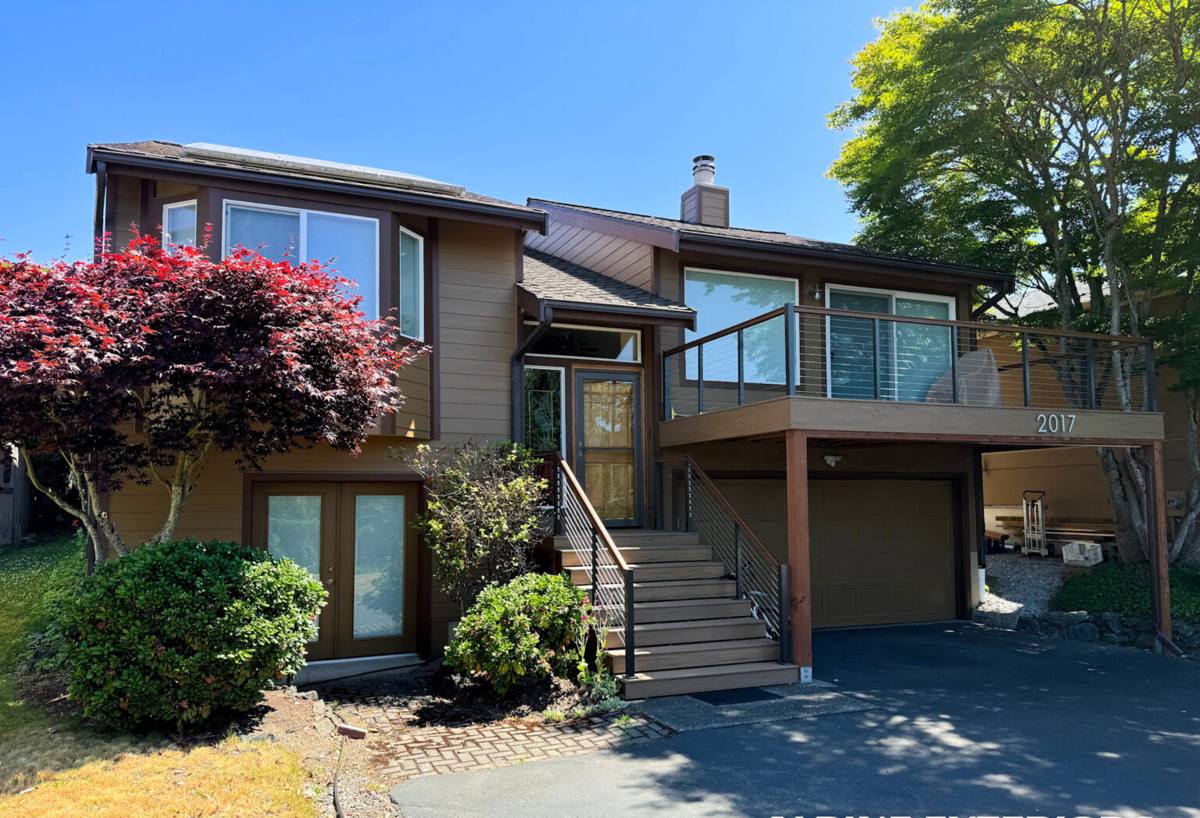
What This Climate Actually Does to Windows Over Time
Most window problems we find in this area aren't dramatic failures — they're slow ones that homeowners live with for years before deciding to act. The usual suspects:
- Fogging or a hazy film between panes, which means the seal on a double-pane unit has failed and moisture is trapped inside the glass
- Soft or discolored wood at the sill and lower jambs from prolonged dampness soaking in rather than shedding off
- Moss and green-black algae staining vinyl trim and exterior casing, especially on shaded elevations
- Wood sashes that swell in wet months and stick, then shrink and rattle once things dry out
- Condensation and eventual mold at interior corners where warm indoor air meets a cold, poorly insulated frame
- Corroded fasteners and streaking on older aluminum-frame windows exposed to damp, salt-tinged air for decades
Why Older Homes in This Area Are Especially Vulnerable
A lot of the housing stock around Sumas and Van Zandt predates modern moisture-barrier and flashing standards. Original single-pane or early dual-pane windows were rarely detailed to shed water outward as reliably as current building science calls for. That's not a knock on the original builders — it's just how the trade has changed. It does mean that when we open up an old window opening in this area, we expect to find at least some hidden moisture damage that wasn't visible from the outside.
What a Correct Custom Window Installation Actually Involves
"Custom" windows means the unit is built to fit an existing opening rather than a stock size, which is the norm on older homes where openings were framed by hand and rarely match modern standard dimensions. The install itself matters more than the product label on the window:
- Precise field measurement of the actual opening, not an assumed standard size
- Full removal of the old unit down to the rough framing, so the sill and jambs can actually be inspected
- Repair of any rot or soft framing found before the new window ever goes in — installing a new window over a compromised sill just hides the problem
- Sill pan flashing so any water that does get past the exterior trim has somewhere to drain, instead of soaking into the framing
- Window flange integrated with the house wrap in proper shingle-style layers, not just caulked over the top
- Correct backer rod and sealant at the exterior perimeter, sized and tooled properly rather than smeared on thick
- Insulation at the gap between frame and rough opening that fills the space without overpacking and bowing the frame
- Interior trim and casing finished to match the rest of the room
Why Flashing Matters More Here Than Almost Anything Else
In a dry climate, a slightly imperfect flashing detail might never cause a problem. In this part of Whatcom County, driving rain finds every gap over time, and once water gets behind a window opening it has few chances to dry out before the next storm arrives. That's the single biggest reason a "fine" install and a correct install look identical on day one but end up in very different places five years later.
Choosing the Right Frame Material for a Van Zandt Home
There's no single "best" window material — the right choice depends on the home, the budget, and how much upkeep the owner wants to take on. Here's how the common options actually compare in this climate:
| Material | Moisture Resistance | Maintenance | Typical Lifespan |
|---|---|---|---|
| Vinyl | Very good — won't rot, but seams and welds need to be well made | Low; occasional cleaning | 20–30 years |
| Fiberglass | Excellent — dimensionally stable in wet/dry swings | Low | 30–40+ years |
| Wood, clad exterior | Good if detailing is correct; interior wood look with a protective exterior shell | Moderate; exterior clad is low-maintenance, interior wood needs occasional finish care | 25–35 years |
| Wood, unclad | Weakest in this climate without diligent upkeep | High; repainting/sealing on a regular cycle | Varies widely with maintenance |
| Aluminum | Poor thermal performance, prone to condensation and corrosion over time in damp coastal-influenced air | Low, but condensation issues are hard to fully solve | 20–25 years |
For most Van Zandt-area homes we work on, vinyl or fiberglass covers the majority of budgets well, and clad wood is a common choice on older or historic-style homes where the interior wood look matters to the owner. We'll walk through the honest trade-offs for your specific house rather than pushing one product line.
Our Process, Start to Finish
- On-site assessment — we look at the actual openings, existing framing condition, and any signs of past moisture intrusion before quoting anything
- Measurements and product selection — custom sizing plus a walk-through of material, glass, and style options for your budget
- Permitting — handled on our end when the scope of work requires it
- Removal and structural check — old units come out, framing gets inspected, and any needed repairs happen before the new window goes in
- Installation and flashing — set, shimmed, flashed, and sealed to shed water outward at every layer
- Interior and exterior finish work — trim, casing, and touch-up to match the surrounding home
- Final walkthrough — we check operation, look over the finish work with you, and clean up the site before we leave
Signs Your Van Zandt Home May Be Ready for New Windows
- Visible fog or moisture trapped between panes of glass
- A cold draft near the window frame even with it fully closed
- Windows that are difficult to open, close, or lock properly
- Soft, discolored, or spongy wood at the sill or exterior trim
- Moss or persistent green staining on frames or nearby siding
- Rising heating bills without another clear explanation
- Visible gaps, cracked caulking, or daylight showing around the frame
- Condensation forming on the inside of the glass regularly through fall and winter
What Affects the Cost of a Custom Window Project
| Factor | Why It Matters |
|---|---|
| Number of openings | Per-unit cost typically drops somewhat as the total project size grows |
| Frame material | Vinyl, fiberglass, and clad wood carry different material costs and install labor |
| Glass package | Double-pane vs. triple-pane, and any low-E or gas-fill upgrades, change both cost and performance |
| Structural repair | Rot or framing damage found during removal adds labor that couldn't be quoted sight unseen |
| Site access | Second-story openings, tight rural driveways, or limited staging space affect labor time |
| Trim and casing work | Matching existing interior trim profiles or repairing exterior siding around the opening adds finish labor |
We don't publish flat per-window prices because the honest answer always depends on these factors — but we'll give you a clear, itemized number after we've actually looked at your openings, not a rough guess over the phone.
Why It Matters to Hire a Crew That Already Works This Area
A contractor who regularly works around Sumas and the surrounding Whatcom County communities already knows what tends to be hiding behind an old window opening out here, roughly how much moisture exposure a given elevation of a house has seen over the decades, and how to schedule exterior work around the region's weather windows rather than starting a job right before a multi-day rain system rolls in. That local pattern-recognition is worth more than it sounds like — it's the difference between a crew that's guessing and a crew that's seen this exact situation before, more than once, on a house not far from yours.
Keeping New Windows Performing in This Climate
A correct install gets you most of the way there, but a little upkeep keeps it performing for the long haul:
- Clear debris from tracks and weep holes so water has somewhere to drain
- Check exterior caulking once a year, typically in late summer before the wet season sets back in
- Keep gutters and downspouts routing water away from window openings rather than pooling near them
- Trim back vegetation and control moss growth near frames and trim before it takes hold
If you're weighing custom window replacement for a home in the Van Zandt or Sumas area, we're happy to take a look and give you a straight, no-pressure estimate — just fill out the form below and we'll get in touch.