 Sumas Roofing
 Custer's Siding Has a Harder Job Than Most
Custer sits close enough to the water that salt-laden air is a fact of life, and it sits inside a stretch of Whatcom County that gets more soaked days per year than most homeowners realize until they're scraping mildew off a north wall in March. Add in the shoulder seasons when moisture sits on siding for days without direct sun, and you've got a climate that tests exterior materials harder than a sales brochure ever admits. Siding here isn't just a cosmetic choice — it's the layer standing between that weather and your framing, insulation, and sheathing.
This page is about one job done right in one place: fiber cement siding installation for homes in and around Custer. Not a general overview of siding options, not a national buying guide — the specific product, the specific installation details, and the specific local conditions that make one approach the right one here.
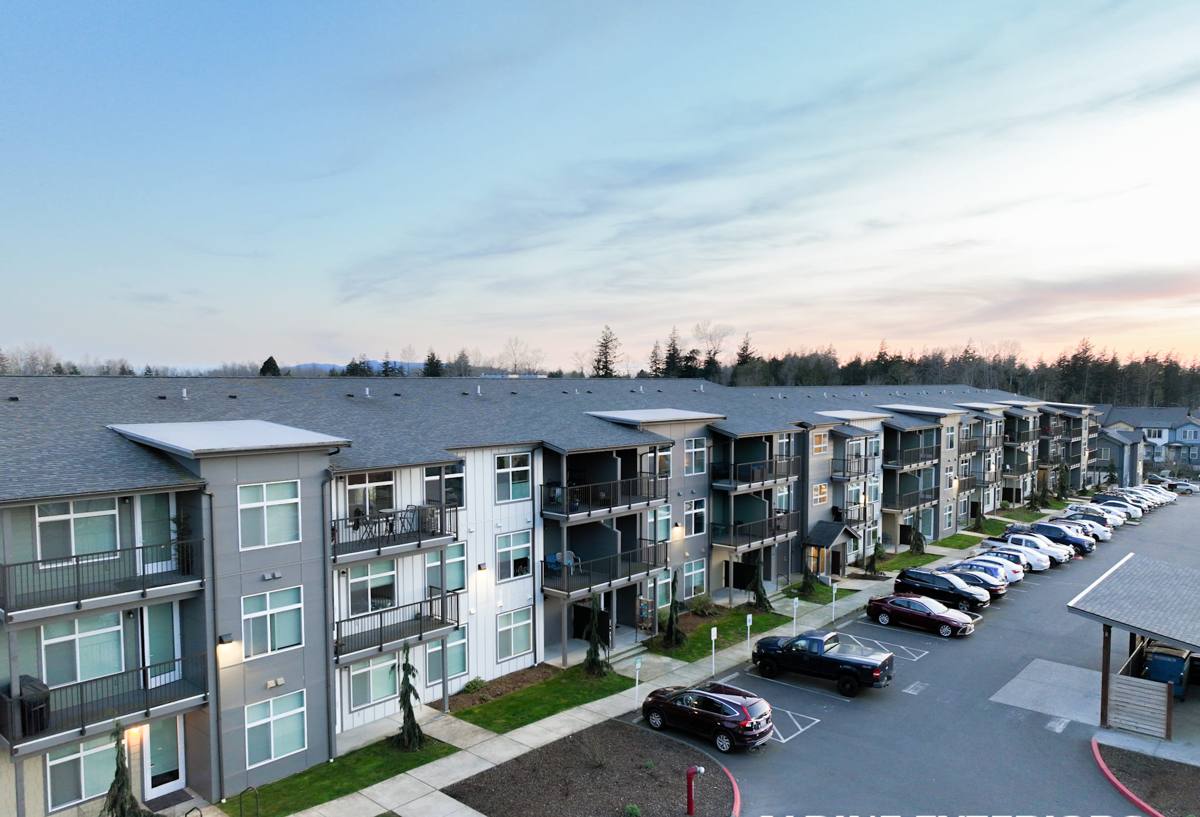
What Salt Air, Rain, and Moss Actually Do to Siding
Salt Air
Airborne salt is corrosive to metal fasteners and trim, and it's abrasive to painted and coated surfaces over years of exposure. Cheaper coatings chalk and fade faster near the coast because the salt accelerates UV breakdown of the finish. A siding product's factory finish matters more here than it would fifty miles inland.
Driving Rain
Wind-driven rain doesn't just wet a wall — it pushes water sideways and upward into laps, seams, and fastener penetrations that were never designed to shed water from that angle. If the water-resistive barrier, flashing, and lap details underneath the siding aren't correct, the siding itself can look fine for years while the wall assembly behind it is quietly rotting.
The Long Moss Season
Whatcom County's wet, shaded microclimates give moss and algae a long runway — often eight or nine months of the year where conditions favor growth on any surface that holds moisture. Moss on a roof is one thing; moss and mildew staining creeping up the bottom courses of siding is a sign the material is holding water rather than shedding it, which shortens its useful life regardless of what the warranty says.
Why We Standardized on James Hardie and Nothing Else
We install James Hardie fiber cement siding exclusively. We don't install vinyl, LP SmartSide, Cemplank, Allura, primed spruce, or cedar, and that's a deliberate standard, not a lack of options. Here's the honest reasoning:
- Vinyl is inexpensive and low-maintenance, but it expands and contracts with temperature swings, can crack in cold snaps, and its color is baked into a thin material that fades and chalks with UV exposure over time — a real issue given how much overcast-but-bright glare this region gets.
- LP SmartSide and other engineered wood products perform well when kept dry, but they're wood-based, meaning any breach in the finish or caulking gives moisture a path into a material that swells and can delaminate at cut edges — a bigger risk in a climate where wall assemblies stay damp for extended stretches.
- Primed spruce and cedar are traditional, attractive, and genuinely renewable, but they need repainting and recaulking on a maintenance schedule, and in wet, shaded exposures they're the most susceptible of any common siding material to moisture, rot, and moss growth.
- Other fiber cement brands (Cemplank, Allura) are legitimate competitors to Hardie on paper, but we've built our install process, flashing details, fastening specs, and warranty paperwork entirely around one manufacturer's engineering — and James Hardie's HZ5 product line is specifically engineered for climates with sustained moisture, which describes Custer exactly.
Hardie's ColorPlus factory finish is baked on and cured under controlled conditions, which holds color and resists fading and chalking far better than field-applied paint — a meaningful advantage anywhere near salt air. The HZ5 formulation is engineered for the Pacific Northwest's moisture and temperature cycling specifically, and the product carries a strong, transferable warranty when installed to Hardie's published specifications. That last part — "installed to spec" — is the whole ballgame, which is why our process focuses as much on the details behind the siding as the boards themselves.
What a Correct Fiber Cement Installation Actually Involves
Fiber cement siding fails early almost exclusively because of installation mistakes, not product defects. The board itself is durable; the water management behind and around it is where jobs go wrong. A correct install in a climate like Custer's includes:
- A continuous, correctly lapped water-resistive barrier behind the siding — not just building paper stapled up quickly
- Proper flashing at every window, door, and roof-to-wall intersection, installed so water sheds outward and downward, never into the wall
- Minimum clearance gaps at the bottom of the siding, foundation lines, and any horizontal trim, so the material never sits in standing water or wicks moisture from grade
- Correct nailing pattern and fastener depth — over-driven nails crack fiber cement and create entry points for water; under-driven nails let boards move and eventually work loose
- Factory-cut and factory-primed edges kept intact wherever possible, with field cuts sealed per Hardie's specifications
- Caulking only where Hardie's install guide calls for it — over-caulking traps moisture just as badly as under-caulking lets it in
- Rainscreen or vented furring in high-exposure assemblies, giving the wall a way to dry out between wet spells rather than staying saturated
Skip any one of these and you can still end up with a wall that looks correct from the curb for the first few years and then shows staining, soft trim, or paint failure well before it should.
Our Process, Start to Finish
- On-site assessment: We look at existing siding condition, wall assembly, moisture staining, and any rot or damage hiding behind the current cladding before we quote anything.
- Tear-off and inspection: Old siding comes off, sheathing gets inspected, and any rot or compromised framing is addressed before new material goes up — covering a problem with new siding doesn't fix it.
- Water-resistive barrier and flashing: This is the layer that actually keeps water out; we treat it as non-negotiable regardless of how it affects schedule.
- Hardie installation: Boards, panels, or shingle-style siding installed per manufacturer spec, with attention to nailing pattern, gaps, and lap direction for prevailing wind and rain exposure.
- Trim, caulking, and touch-up: Finish carpentry, correct caulking at penetrations, and any factory-finish touch-up using Hardie-matched product.
- Final walkthrough: We go over the finished work with the homeowner before calling the job done.
Siding Options Compared for This Climate
| Material | Moisture Behavior Near Salt Air / Rain | Maintenance | Typical Lifespan Here |
|---|---|---|---|
| James Hardie Fiber Cement (HZ5) | Non-combustible, dimensionally stable, factory finish resists fading | Low — occasional wash, no repainting cycle needed | 30+ years with correct install |
| Vinyl | Can warp/crack with temperature swings; color fades with UV and salt exposure | Low, but color and rigidity degrade over time | 15–25 years |
| LP SmartSide / Engineered Wood | Vulnerable at cut edges and breaches; swells if finish fails | Moderate — finish and caulk need monitoring | 20–30 years if kept sealed |
| Cedar / Primed Spruce | Most susceptible to rot and moss in shaded, wet exposures | High — repainting/recaulking on a regular cycle | 15–25 years with diligent upkeep |
Cost Factors for a Custer Siding Project
Every home is different, but the variables that move price on a fiber cement re-side in this area are consistent:
| Factor | Why It Matters |
|---|---|
| Tear-off scope | Whether old siding, trim, and any rotted sheathing need to be removed and replaced before new material goes on |
| Wall complexity | Dormers, multiple gables, and cut-up elevations take more labor and material than a simple rectangular wall |
| Product line and profile | Lap width, panel style, and shingle-style siding carry different material costs |
| Trim and accessory work | Corner boards, window trim, and fascia often get replaced or upgraded at the same time |
| Exposure severity | Sides of the home facing prevailing wind and rain may need extra flashing or rainscreen detailing |
We give a broad, honest range once we've actually looked at the house — not a number pulled from a phone call, because the tear-off and flashing scope is usually what separates a straightforward quote from one that changes after the walls are opened up.
Why a Crew That Already Works in Custer Matters
Whatcom County's exposure conditions vary block by block — how close a home sits to open water, how much tree cover shades a wall, which direction the prevailing wind and rain come from. A crew that's already worked houses in Custer has seen which details actually matter here versus what a generic install guide assumes for a drier climate. That local pattern recognition shows up in small decisions: where to add a rainscreen gap even when it's not strictly required, which elevations need extra flashing attention, and how much clearance to leave at grade given how wet the ground stays through the winter. It also means a crew that's accountable locally — not a traveling install team that's gone before a problem shows up two winters later.
Get a Straight Answer on Your Siding
If your Custer home's siding is showing staining, soft spots, chalky fading, or moss creeping up from the bottom courses, it's worth having someone look at the wall assembly, not just the surface. We'll give you a straightforward, no-pressure estimate on James Hardie fiber cement siding built for what this climate actually does to a house — reach out and we'll set up a time to take a look.