 Sumas Roofing
 Windows Built for Goshen's Weather, Not Just Its Views
Homes out in the Goshen area near Sumas sit right in the path of everything Whatcom County weather can throw at a house. Salt-tinged air drifts in off the water and the Sound, driving rain comes sideways for weeks at a stretch in the fall and winter, and the shoulder seasons bring a moss and moisture season that lingers longer here than it does further inland. Windows are one of the first places that weather finds a weak spot. A frame that's slightly out of square, a sash that's lost its seal, or trim that was never properly flashed will show it — fogged glass, drafts you can feel from across the room, soft wood at the sill, or a slow creep of mildew in the corners.
Custom windows done right aren't just about upgrading the look of a house. In this climate they're a moisture-management system first and a design choice second. We build every install around keeping water out, letting the house breathe correctly, and using materials that hold up to years of wet-dry cycling without warping, rotting, or seizing up.
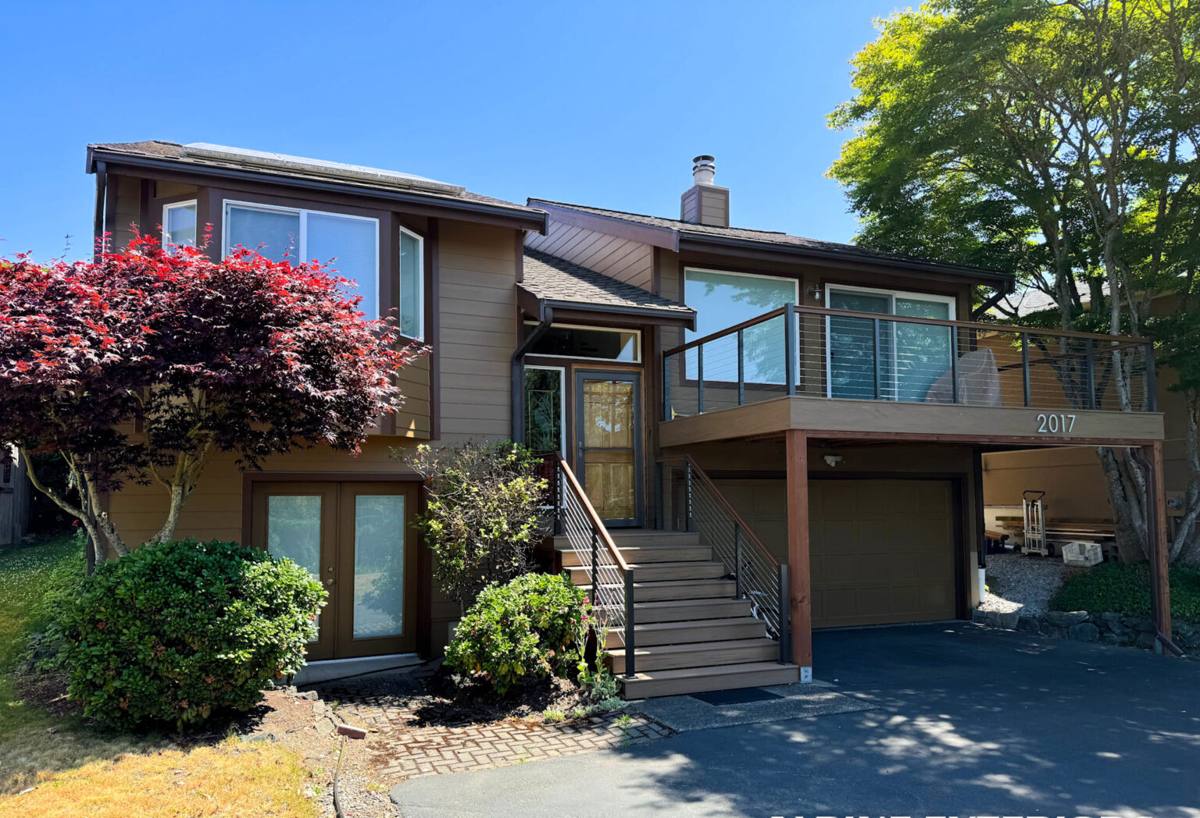
What Goshen-Area Homes Actually Need From Their Windows
We've worked enough houses in and around Sumas to know the patterns. Older farmhouses and ranch-style homes in this area often still have original wood windows from decades back, single-pane or early double-pane units that have long since lost their seal. Newer construction sometimes has vinyl windows that were installed fast during a building boom, with flashing details that were good enough to pass inspection but not good enough to survive twenty years of Whatcom County rain.
The three things that matter most here
- Water management at the sill and head flashing — this is where almost every window failure starts, not at the glass
- Frame material that tolerates constant humidity swings without swelling, cracking, or corroding from salt-laden air
- A seal and glazing package rated for driving, wind-blown rain, not just still-air moisture
Get those three right and the window will perform for decades. Get any one of them wrong and you're looking at rot, mold, or a fogged double-pane unit inside five to ten years — regardless of how good the window itself was.
Reading the Signs a Goshen Home's Windows Are Failing
Most homeowners don't notice window problems until they're well established, because the early symptoms are subtle. Here's what we look for on every inspection in this area:
- Condensation or fog trapped between panes — the seal has failed and the argon or air gap is compromised
- Soft or discolored wood at the sill, especially on the exterior side facing prevailing weather
- Paint or caulk that's cracked and pulling away from the frame, letting water track behind the trim
- A draft you can feel with your hand near the frame edge on a windy day
- Visible moss or algae growth on the sill or surrounding siding — a sign moisture is sitting there longer than it should
- Windows that are hard to open, stick, or don't latch flush anymore — frames have swelled or shifted
If you're seeing two or more of these, it's worth a look before the damage spreads into the wall framing behind the window — that's where a simple window job turns into a much bigger repair.
Choosing Materials That Hold Up Locally
We steer customers toward frame and glazing choices based on how they actually perform in this climate, not just on price or looks. Here's the honest breakdown:
| Frame Material | How It Handles This Climate | Maintenance | Typical Lifespan Here |
|---|---|---|---|
| Vinyl (quality, welded corners) | Good moisture resistance, won't rot; can flex in temperature swings if cheaply made | Low — occasional cleaning | 20-30 years |
| Fiberglass | Excellent stability in humidity and temperature changes, holds paint well | Low to moderate | 30-40+ years |
| Wood (properly clad or maintained) | Classic look but needs consistent upkeep to resist our wet season | High — regular painting/sealing | Varies widely with maintenance |
| Aluminum | Prone to condensation and cold-transfer without thermal breaks; not our first recommendation for this area | Moderate | 20-25 years, shorter near salt air without proper coating |
We're not going to tell you one material is the only right answer — budget and the look you want for the house matter too. What we will do is be straight with you about the maintenance trade-off each one carries once it's facing years of driving rain and a long damp season.
Glazing and Weatherstripping
Double-pane with a low-E coating and argon fill is the baseline we recommend for most Goshen-area homes — it cuts heat loss and helps manage condensation on the interior glass during cold, damp mornings. For homes closer to open water or exposed to stronger wind-driven rain, we'll often spec a heavier-duty weatherstripping package and a sill design with extra drainage capacity, because standard-grade seals wear out faster under constant wind pressure than they do in more sheltered spots.
Our Process for a Custom Window Install
Every job follows the same sequence, whether it's one window or a whole-house replacement:
- On-site assessment — we check the existing frames, sills, and surrounding siding or trim for hidden rot or moisture damage before we quote anything
- Accurate measurement — custom windows are built to the actual opening, not a stock size, so precision here avoids gaps and callback issues later
- Removal and opening prep — we inspect the rough opening once the old window is out, since this is often where we find problems that weren't visible before
- Flashing and moisture barrier work — proper head flashing, sill pan, and integration with the house wrap or building paper, sequenced so water always sheds outward, never behind the siding
- Window installation and shimming — set plumb, level, and square, with correct fastening per manufacturer spec
- Insulation and air sealing — low-expansion foam or backer rod around the frame, avoiding over-packing that can bow the frame
- Interior and exterior trim finish — sealed and caulked with a product rated for exterior exposure
- Final walkthrough — we operate every window with you before we call the job done
The flashing and sill pan step is where most corners get cut on rush jobs elsewhere. It's also the step that determines whether a window lasts fifteen years or forty in this climate.
Timing the Job Around Whatcom County Weather
Window installs can happen most of the year, but we plan around the weather rather than against it. Drier stretches in late spring through early fall give us the cleanest install conditions and the least risk of rain getting into an open wall cavity mid-job. Winter installs are possible and sometimes necessary, but we build in extra weather protection and work in smaller sections to keep any opening exposed for the shortest time possible. If you're planning ahead, scheduling before the wettest months arrive gives you the most flexibility.
What a Correct Job Costs — and What Changes the Price
Custom window pricing depends on more than just the window unit itself. Here's what actually moves the number:
| Cost Factor | Why It Matters |
|---|---|
| Frame material chosen | Fiberglass and premium vinyl run higher than basic vinyl; wood custom units are typically the most expensive |
| Window size and shape | Standard rectangular openings are simplest; custom shapes or oversized units cost more to fabricate and install |
| Existing damage found | Rot discovered at the sill or framing during removal adds repair scope beyond the window swap itself |
| Number of windows | Whole-house projects typically bring a better per-window rate than single replacements |
| Access and site conditions | Second-story or hard-to-reach windows take more time and equipment |
We give straightforward, itemized estimates and walk you through what's driving the number — no vague lump-sum guesses.
Why a Crew That Already Works Goshen Matters
A window install is only as good as its weakest detail, and the details that matter most here — flashing sequencing, sill drainage, seal selection for wind-driven rain — are exactly the ones you learn by doing this work repeatedly in Whatcom County conditions, not by reading a manufacturer's install sheet written for a dry climate. A crew that's already familiar with how houses in the Goshen and Sumas area are built, what their typical trouble spots are, and how the local weather actually behaves through the year is going to catch problems before they become callbacks. That familiarity is also why we don't push products we don't stand behind for this climate — if a material or installation shortcut carries a maintenance burden or moisture risk we're not comfortable with, we'll tell you plainly and offer the alternative that holds up.
If your windows are showing their age, letting in drafts, or you're planning ahead of the next wet season, we'll come take a look and give you a straightforward, no-pressure estimate. Use the form below to get started.